Turkey's central government debt rose sharply during the 1994 financial crisis, reaching 39.29% of GDP, before stabilizing around 30% by the late 1990s. The 2001 banking crisis caused a dramatic spike, peaking at 72.06% in 2001. Comprehensive economic reforms initiated after the crisis led to a sharp decline in debt levels, reaching 27.97% by 2017.
The 2020 pandemic saw debt rise again to 35.91%, reflecting increased government spending to mitigate economic disruptions. By 2022, debt fell to 26.88%, underscoring Turkey’s ability to maintain fiscal discipline despite ongoing economic challenges.
The 2020 pandemic saw debt rise again to 35.91%, reflecting increased government spending to mitigate economic disruptions. By 2022, debt fell to 26.88%, underscoring Turkey’s ability to maintain fiscal discipline despite ongoing economic challenges.
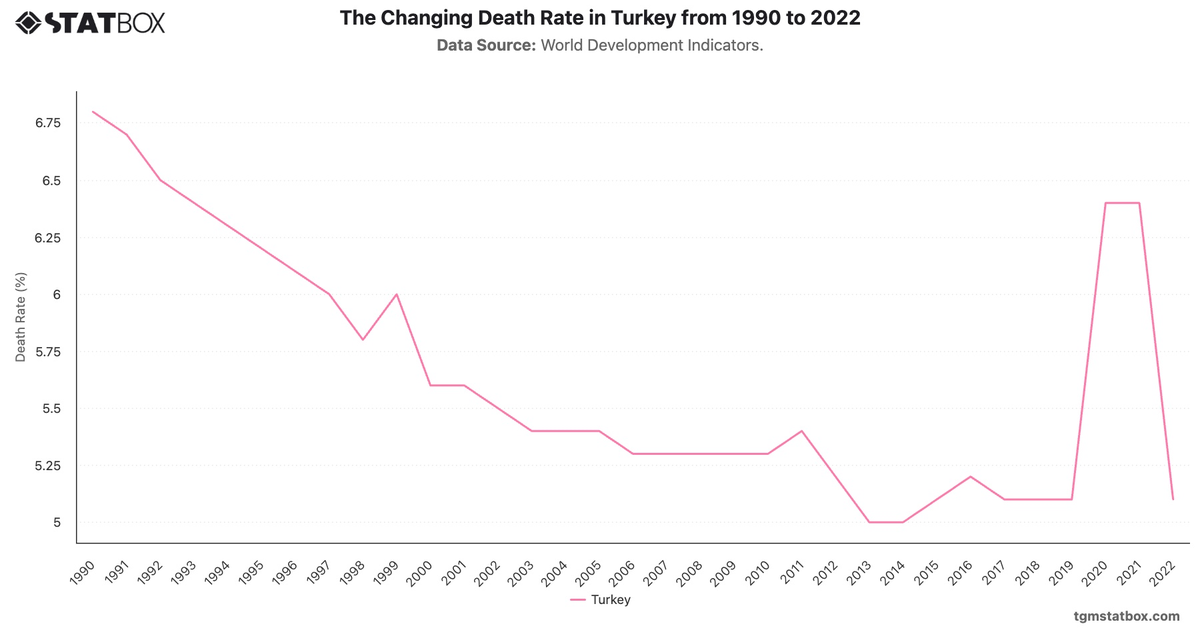
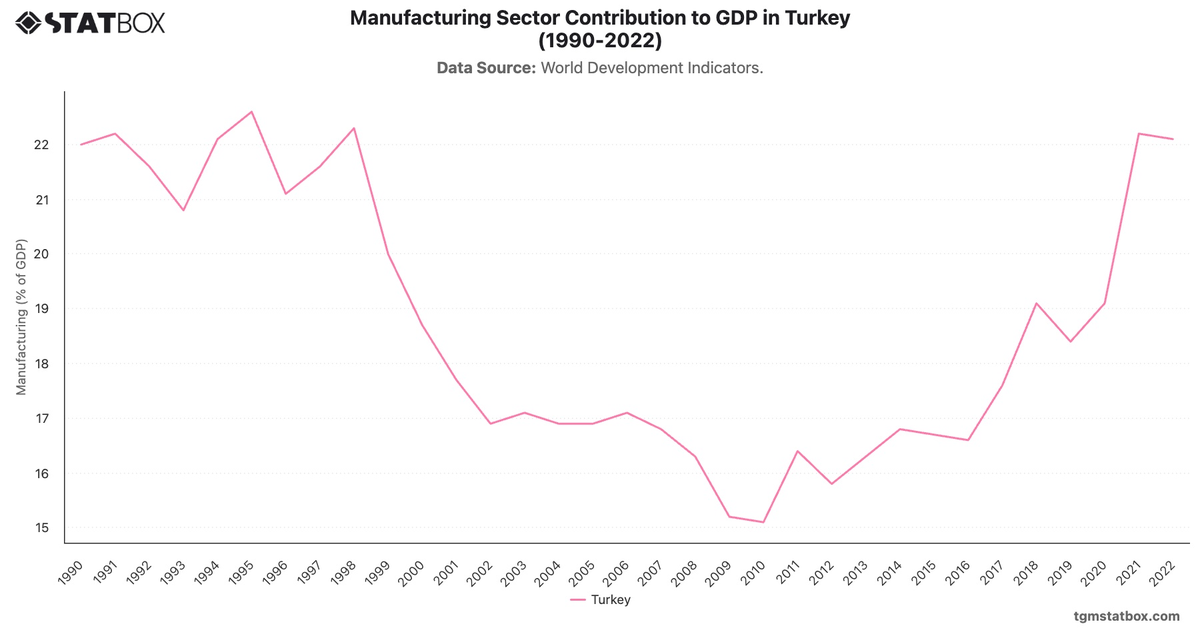
Gain a broader perspective by reviewing Turkey’s services sector share in GDP, Turkey’s death rate fluctuation, Turkey’s manufacturing sector share in GDP.