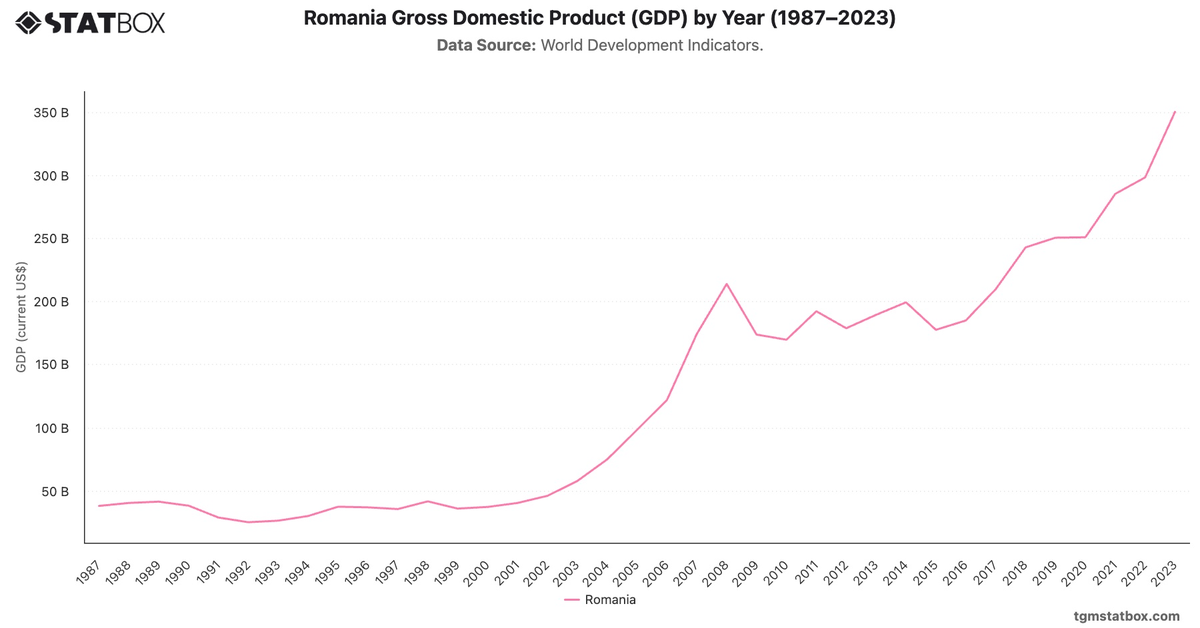
Romania's fiscal performance has experienced significant fluctuations over the decades, shaped by economic reforms and external shocks. The early 1990s saw a steep decline from a surplus of 3.2% in 1991 to a deficit of -4.6% in 1992, reflecting the economic transition post-communism. After stabilizing deficits around -2% in the mid-2000s, the global financial crisis pushed deficits to -6.9% in 2009.
The COVID-19 pandemic had a severe impact, with the deficit peaking at -9.6% in 2020 due to emergency spending. While gradual improvement is forecast, deficits are expected to stabilize around -5.8% by 2029, underscoring the need for structural fiscal reforms to address persistent challenges.
The COVID-19 pandemic had a severe impact, with the deficit peaking at -9.6% in 2020 due to emergency spending. While gradual improvement is forecast, deficits are expected to stabilize around -5.8% by 2029, underscoring the need for structural fiscal reforms to address persistent challenges.
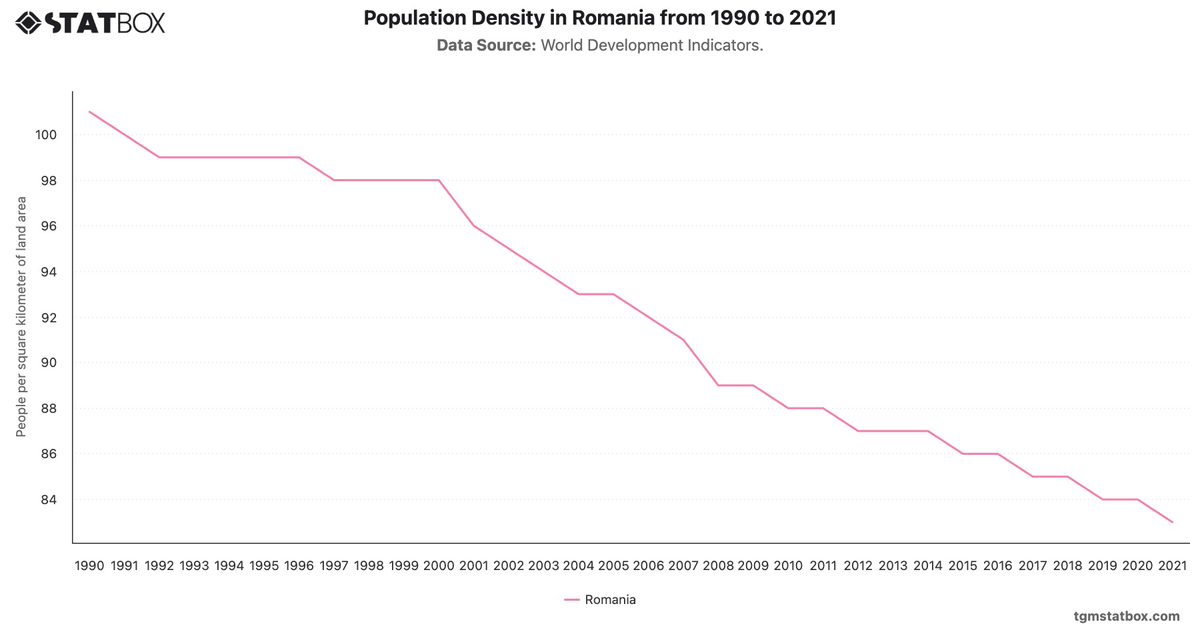
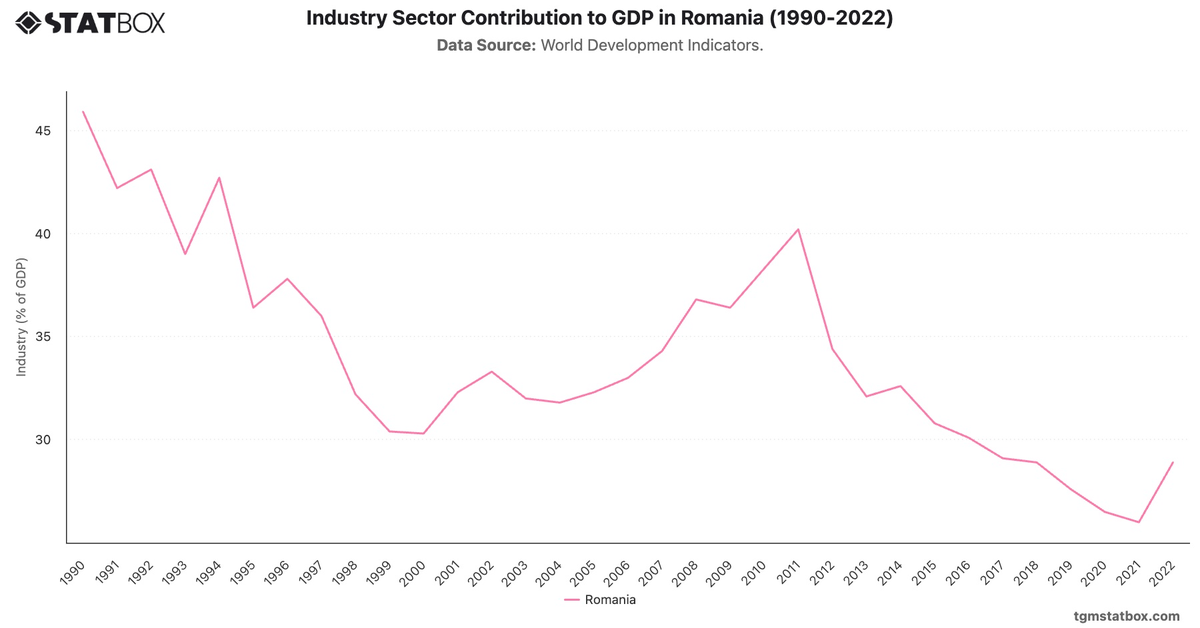
For a deeper dive into the topic, explore yearly GDP growth rate for Romania, Romania’s agriculture sector GDP share, Romania’s mortality trend.