Romania’s debt-to-GDP ratio was relatively low during the 1990s, starting at 6.9% in 1995 and peaking at 21.7% by 1999. This increase was largely driven by a need to stabilize the economy and manage structural adjustments. By 2006, debt levels declined to 12.4% as Romania implemented fiscal discipline policies in preparation for EU membership.
The 2008 financial crisis caused an increase, with debt reaching 29.0% by 2010. In subsequent years, Romania’s debt continued to grow moderately, reaching 35.4% by 2012 due to investments in infrastructure and social programs. The COVID-19 pandemic spiked debt levels further, reaching 46.9% in 2020 as the government implemented economic support measures. By 2022, Romania’s debt stabilized slightly at 47.2%, reflecting ongoing fiscal adjustments.
The 2008 financial crisis caused an increase, with debt reaching 29.0% by 2010. In subsequent years, Romania’s debt continued to grow moderately, reaching 35.4% by 2012 due to investments in infrastructure and social programs. The COVID-19 pandemic spiked debt levels further, reaching 46.9% in 2020 as the government implemented economic support measures. By 2022, Romania’s debt stabilized slightly at 47.2%, reflecting ongoing fiscal adjustments.
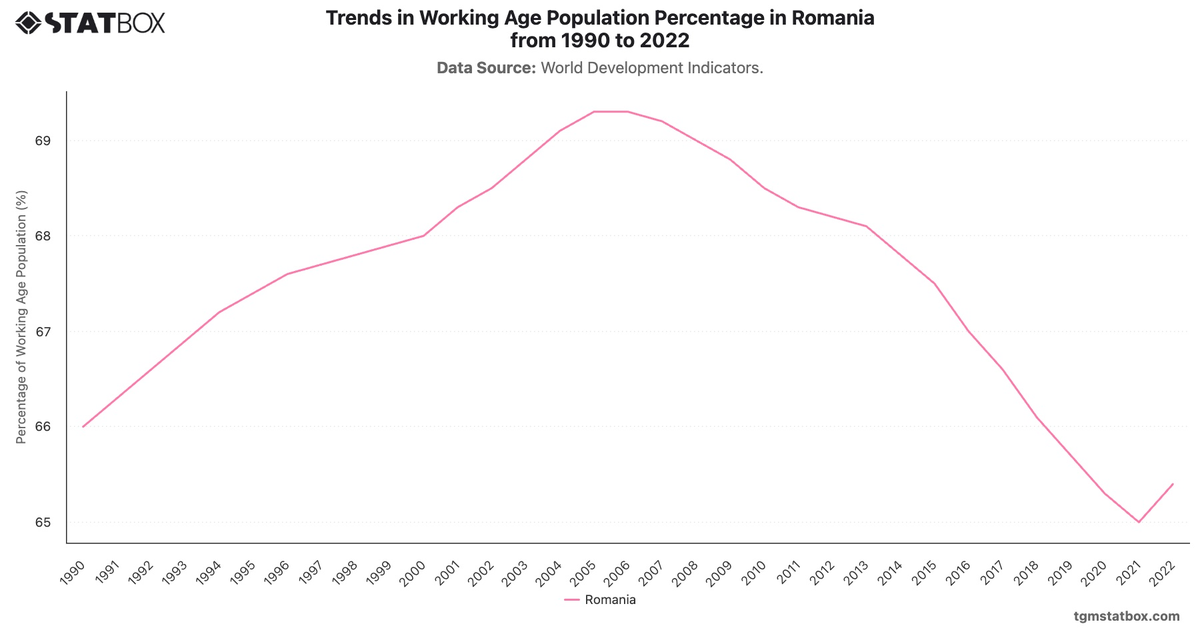
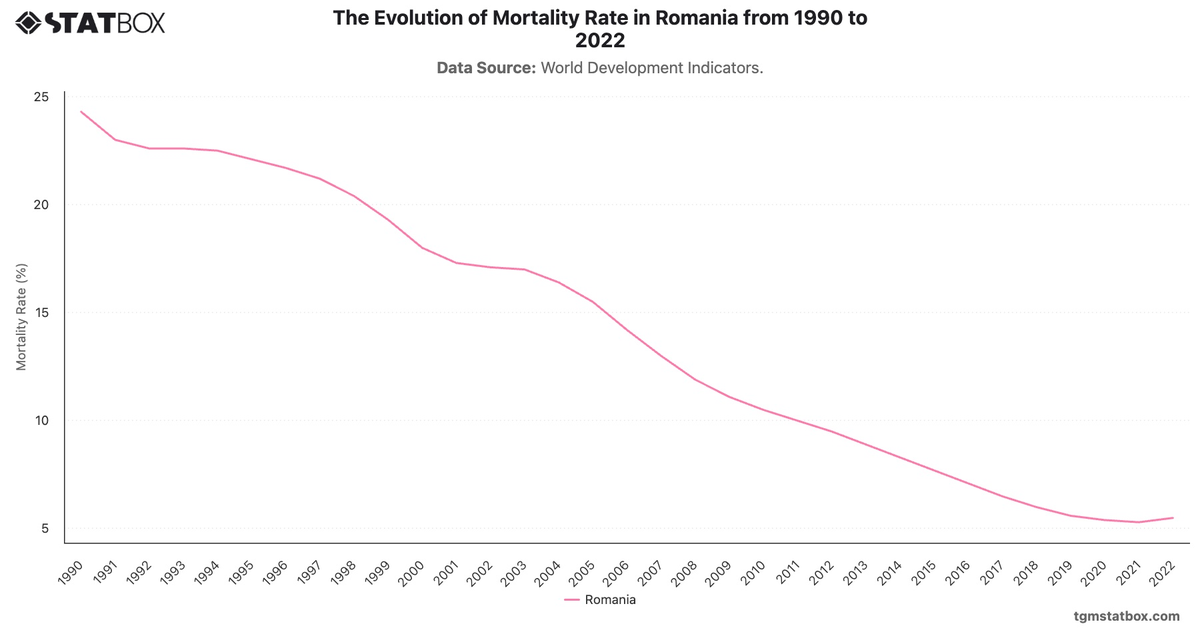
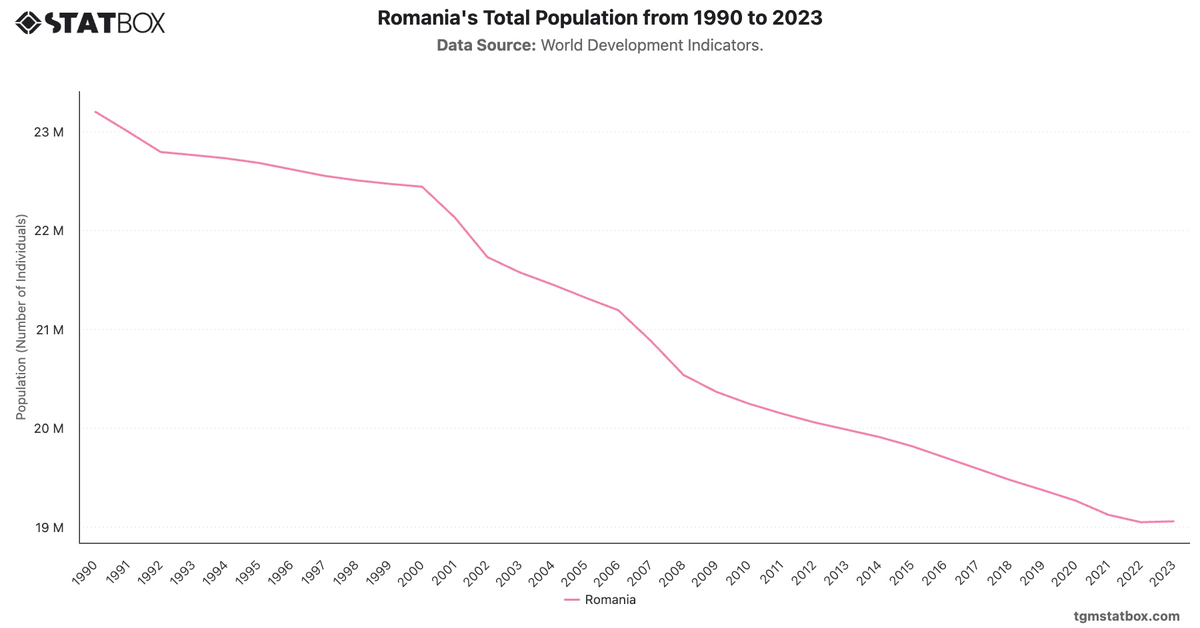
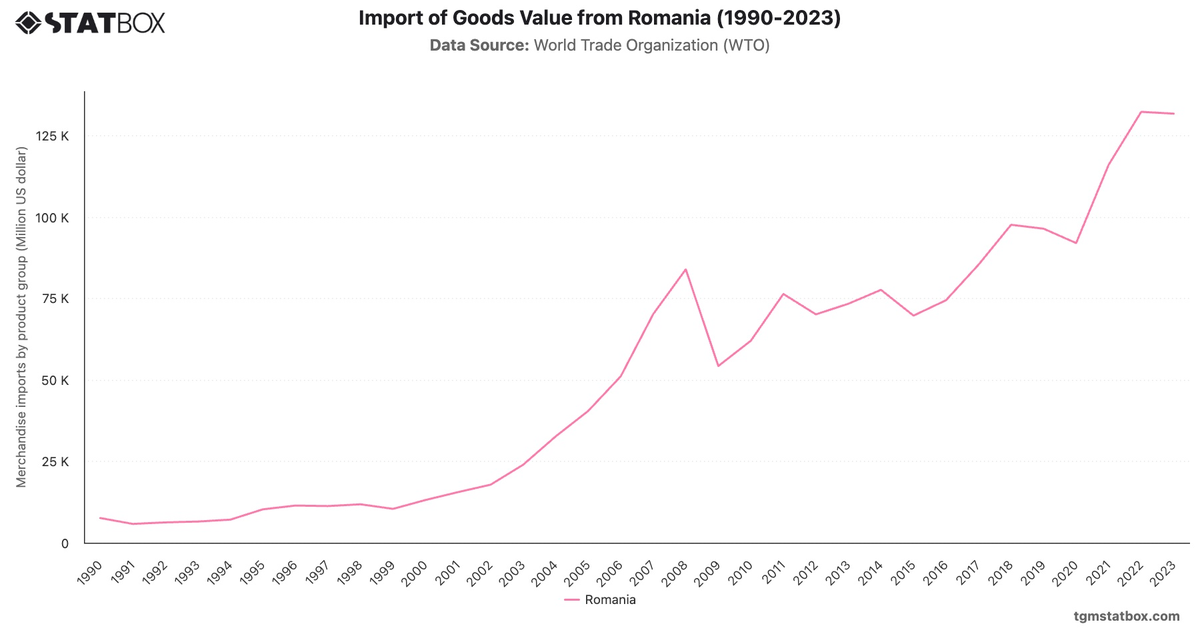
For additional information, visit statistics on Romania’s mortality trend, Romania’s import value, Romania’s working age population percentage.