Egypt experienced a fluctuating debt ratio from 1990 onward, with debt at 86.9% in 1990 before sharply rising to 129.8% in 1992 due to economic and political challenges. The country managed to bring debt down in the following years, dropping to 69.5% by 2000 amid economic reforms aimed at stabilizing the economy. However, public debt began rising again from the early 2000s, peaking at 97.1% in 2003, largely due to increased government spending and external borrowing.
In the late 2010s, the Egyptian government undertook fiscal consolidation efforts that reduced debt from 97.8% in 2017 to 80.1% by 2019. The COVID-19 pandemic led to an increase, with debt reaching 89.9% in 2021, though efforts to stabilize finances helped bring it to 88.5% in 2022.
In the late 2010s, the Egyptian government undertook fiscal consolidation efforts that reduced debt from 97.8% in 2017 to 80.1% by 2019. The COVID-19 pandemic led to an increase, with debt reaching 89.9% in 2021, though efforts to stabilize finances helped bring it to 88.5% in 2022.
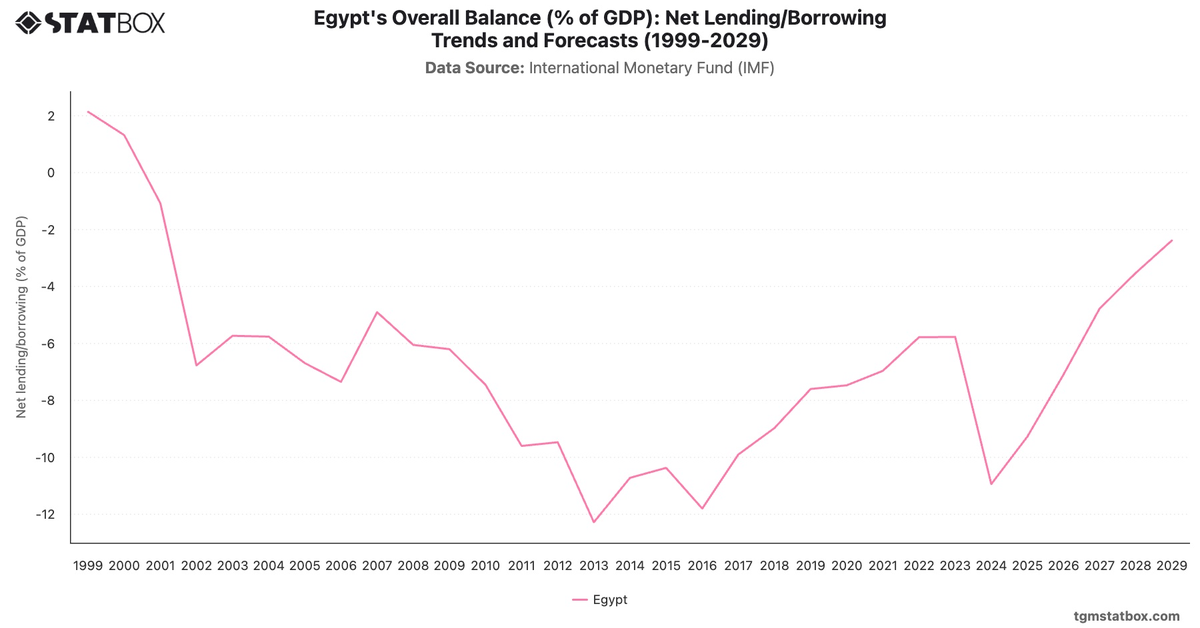
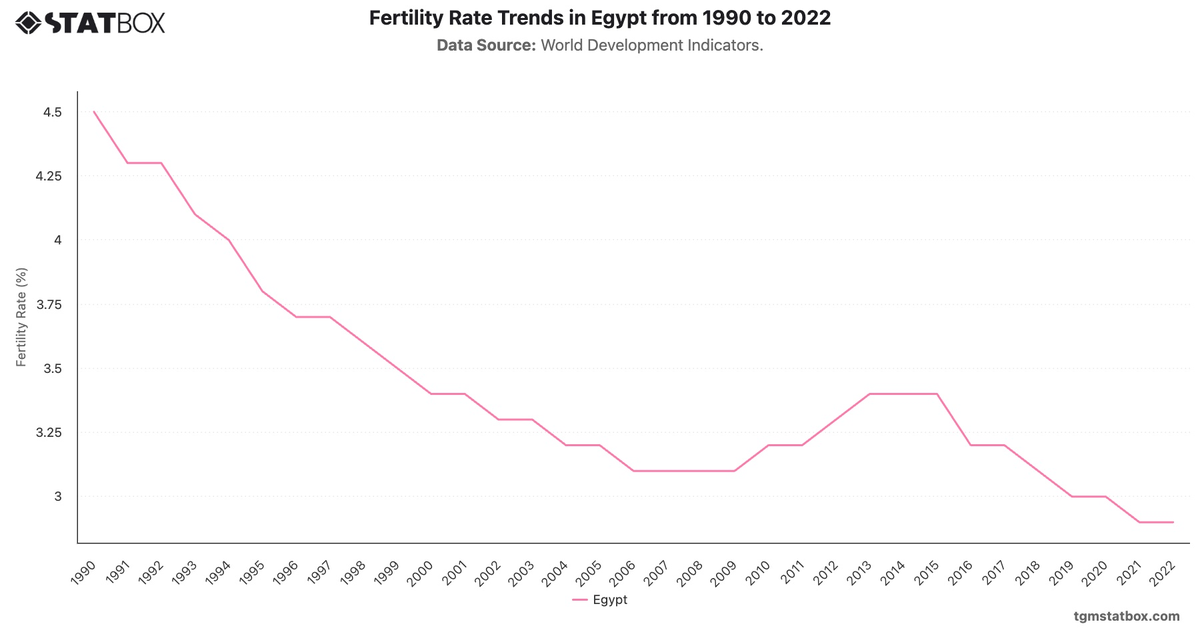
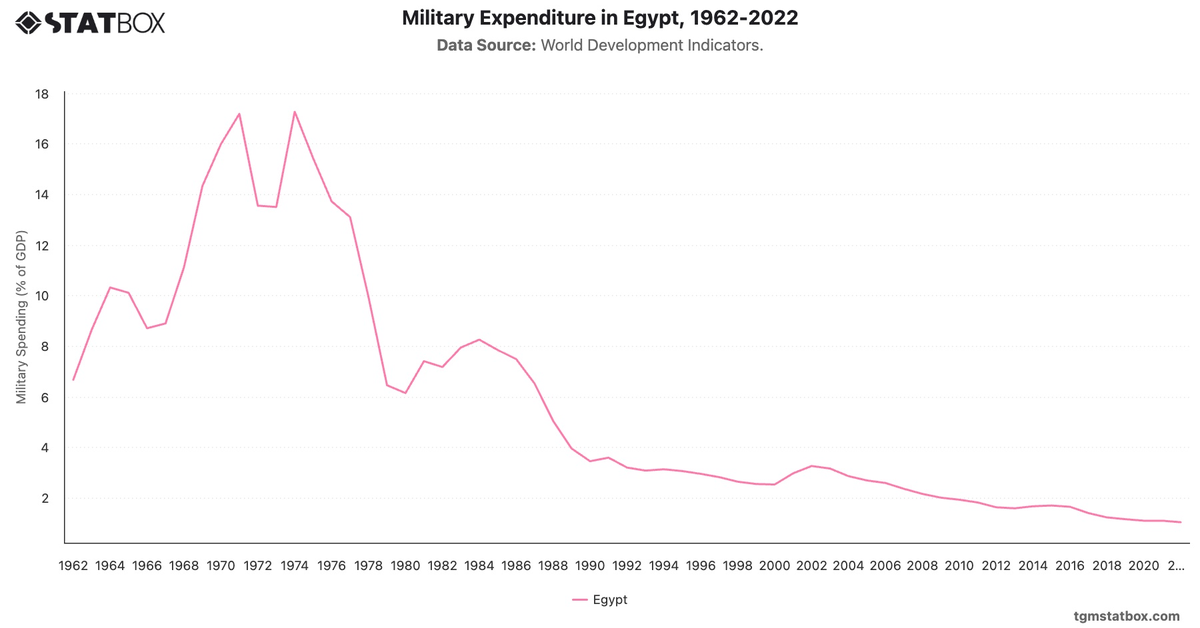
For a deeper dive into the topic, explore Egypt’s defense budget, Egypt’s fertility rate trends, Egypt’s net lending/borrowing balance.