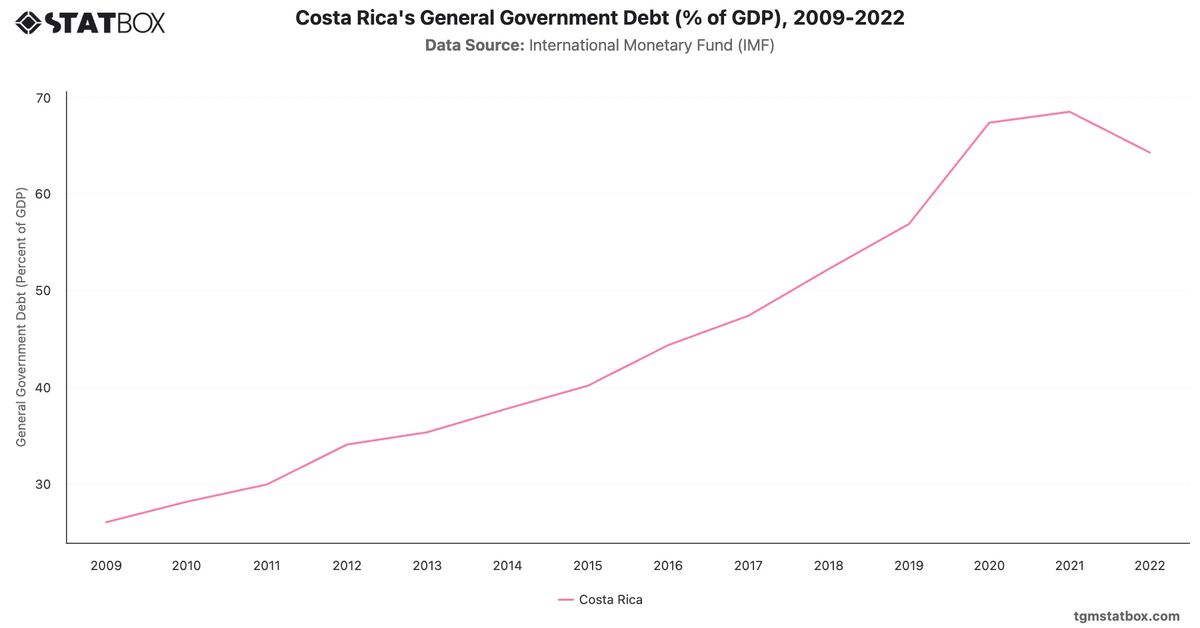
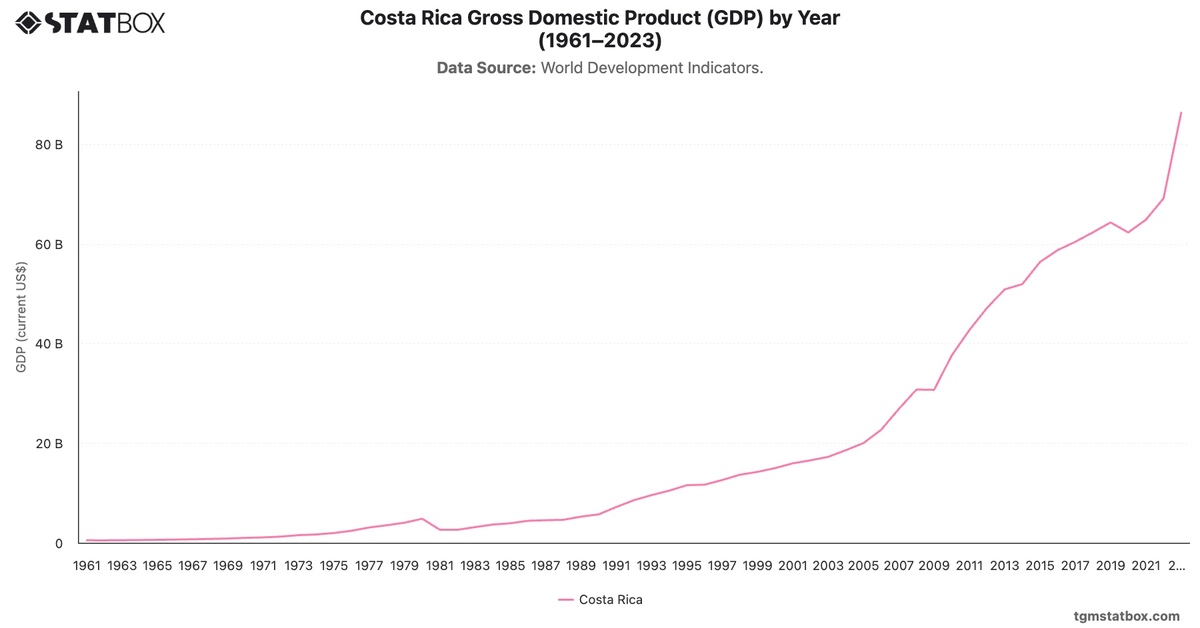
Costa Rica’s fiscal performance reflects its developmental priorities and external challenges. The early 2000s saw fluctuating deficits, averaging -3.5%. Fiscal pressures intensified in the 2010s, with deficits peaking at -6.7% in 2019 due to rising public debt and social spending.
The pandemic exacerbated the situation, leading to a deficit of -8.4% in 2020. Reforms have improved the outlook, with forecasts suggesting deficits narrowing to -1.8% by 2029. Fiscal consolidation efforts, including tax reforms and spending controls, will be pivotal for long-term stability.
The pandemic exacerbated the situation, leading to a deficit of -8.4% in 2020. Reforms have improved the outlook, with forecasts suggesting deficits narrowing to -1.8% by 2029. Fiscal consolidation efforts, including tax reforms and spending controls, will be pivotal for long-term stability.
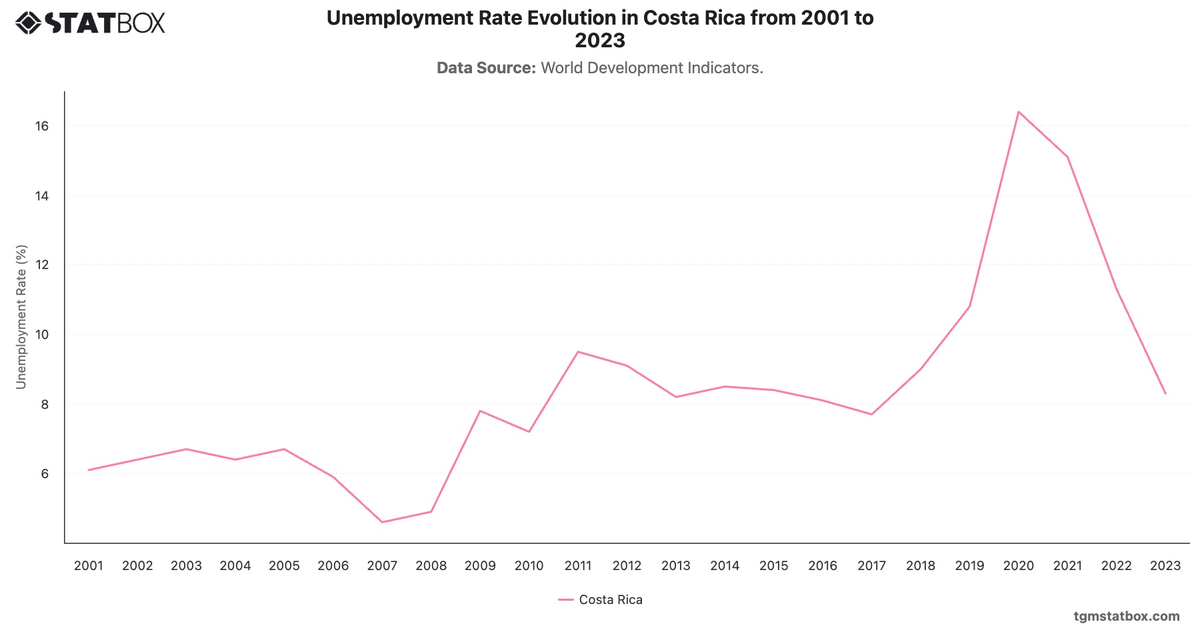
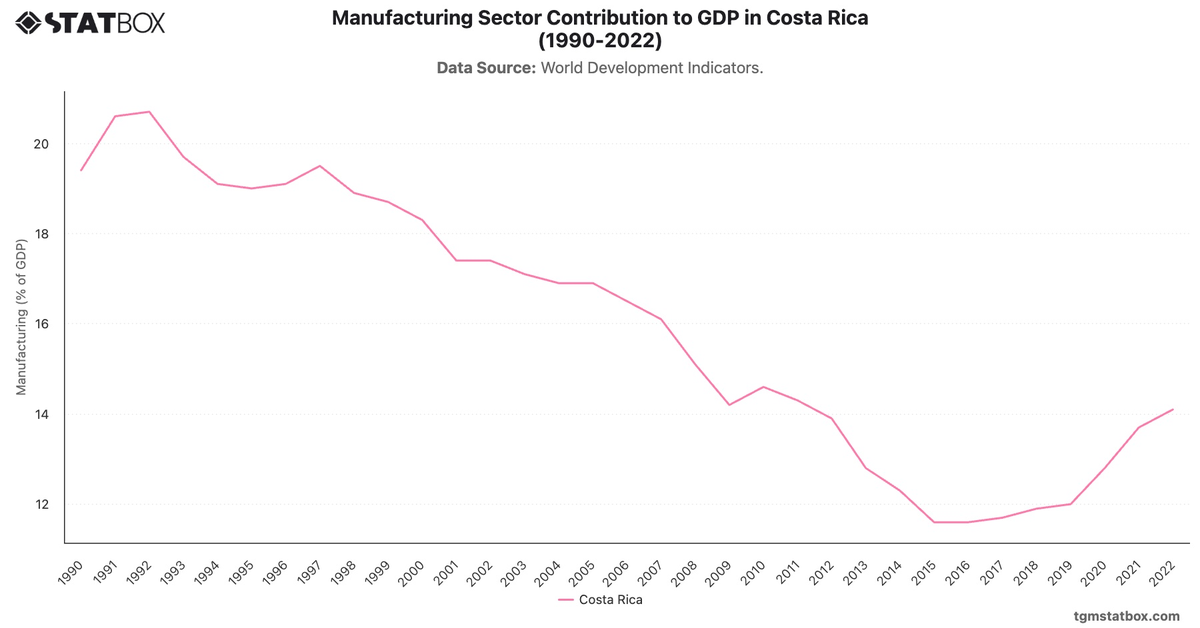
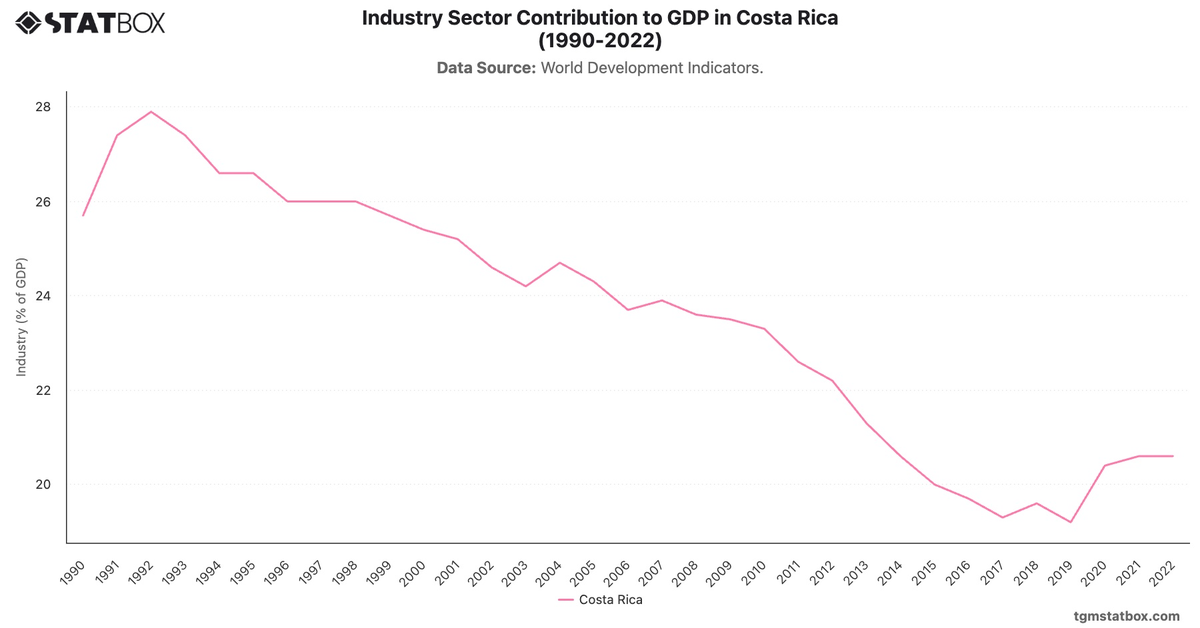
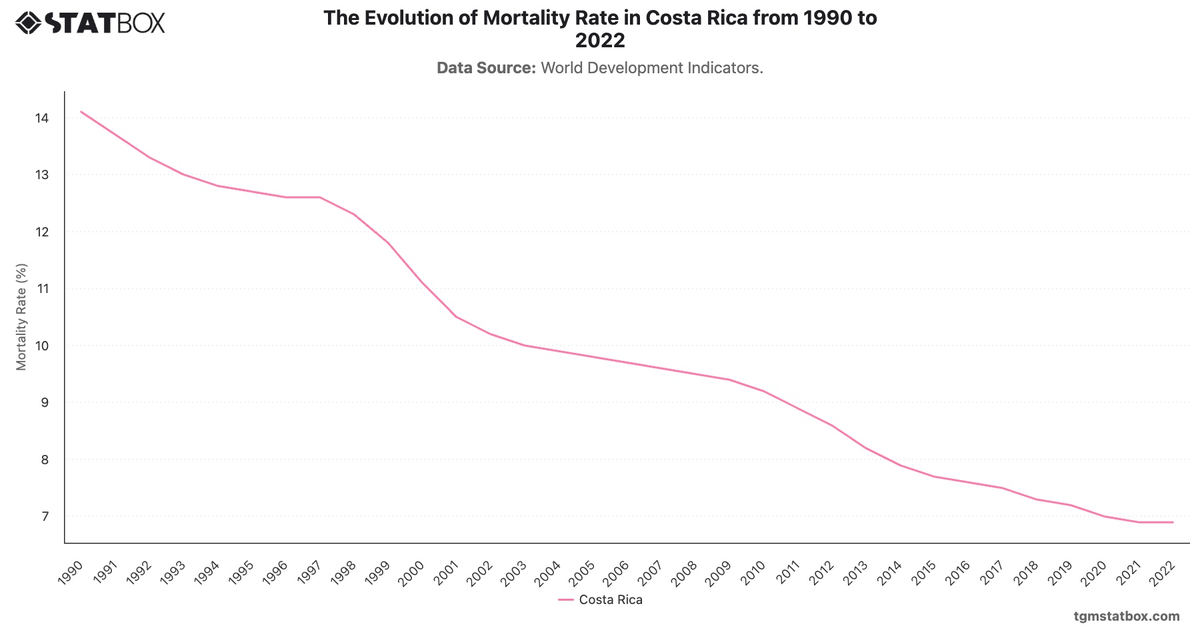
Explore related charts to gain a better understanding of Costa Rica’s industrial sector GDP share, Costa Rica’s inflation rate trajectory, Costa Rica’s unemployment rate trends.