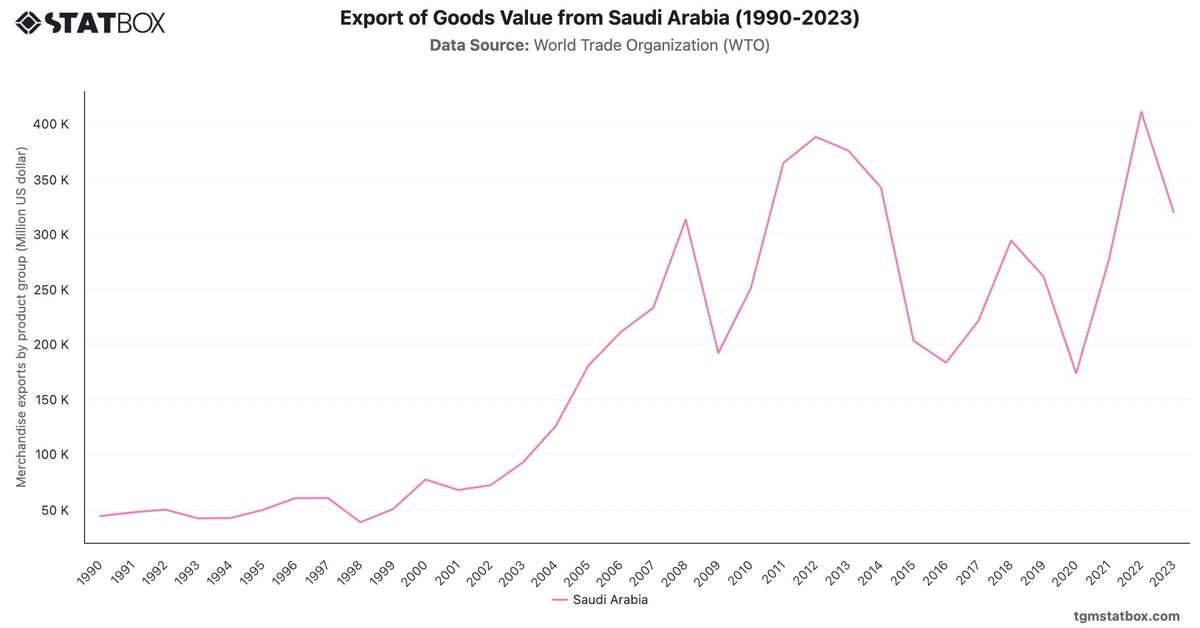
Saudi Arabia experienced significant shifts in its central government debt as it navigated oil price volatility and fiscal policy challenges. Debt rose sharply from 16.09% in 1990 to over 100% by 1999, driven by deficits during the Gulf War and declining oil revenues. However, a turnaround began in the 2000s, supported by rising oil prices and fiscal reforms. By 2008, debt had dropped to 12.06%, underscoring prudent fiscal management and oil revenue windfalls.
The 2015 oil price crash reignited borrowing, with debt rising to 21.55% by 2019. The COVID-19 pandemic further strained finances, pushing the debt-to-GDP ratio to 31.04% in 2020. Despite fiscal reforms and economic diversification under Vision 2030, debt only partially eased to 22.57% in 2022, reflecting ongoing efforts to balance growth and fiscal stability.
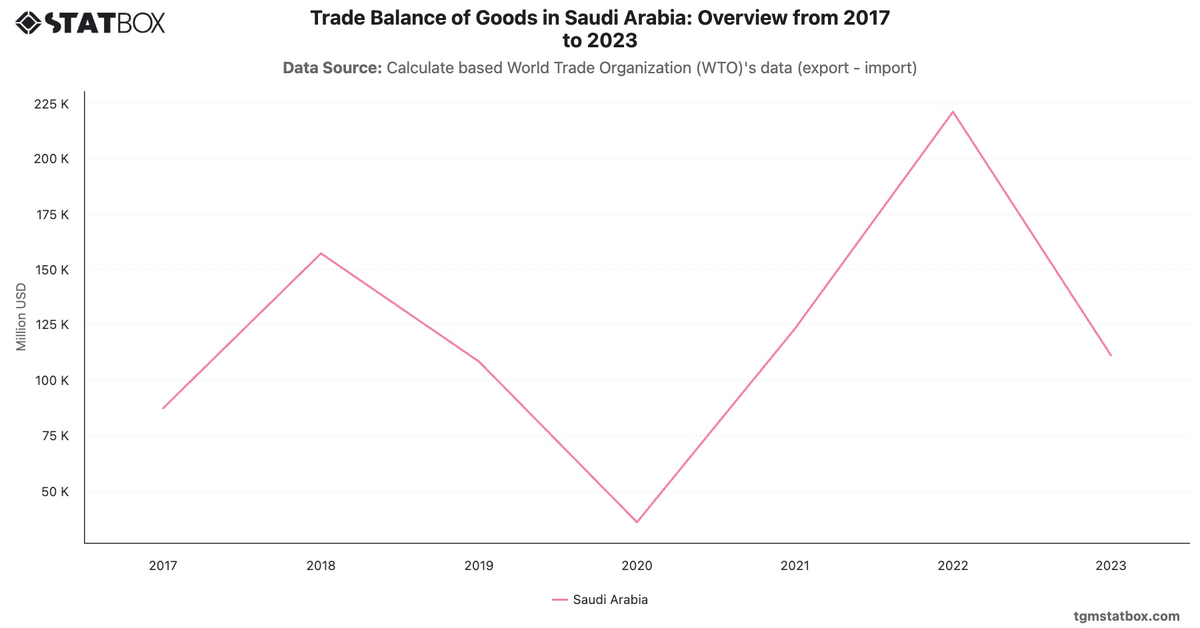
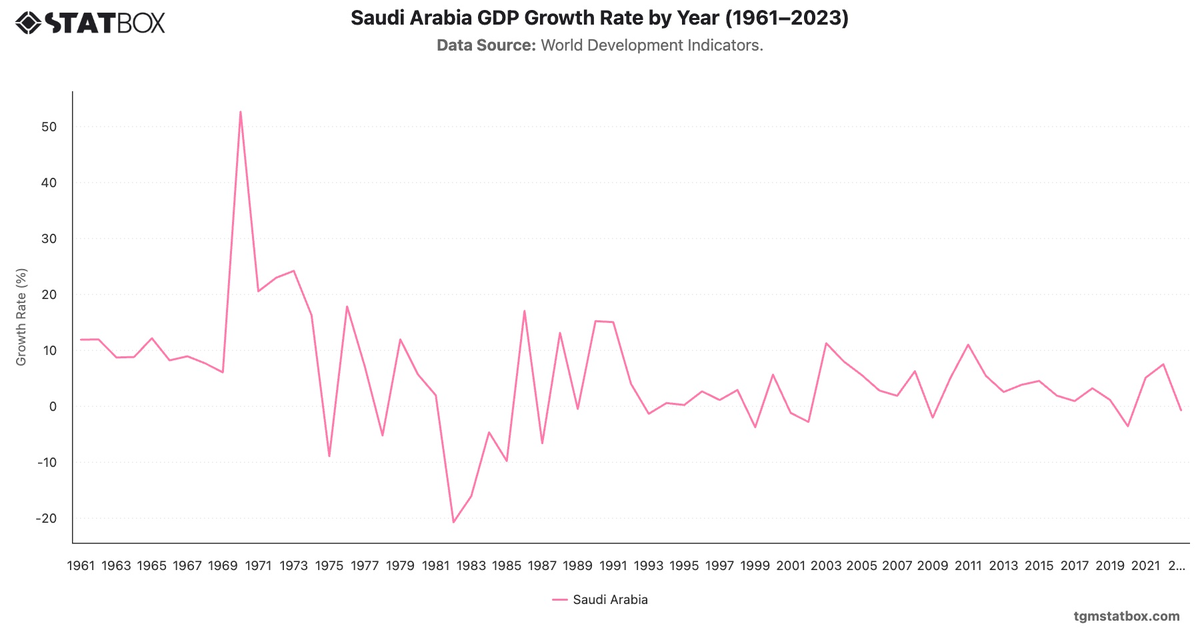
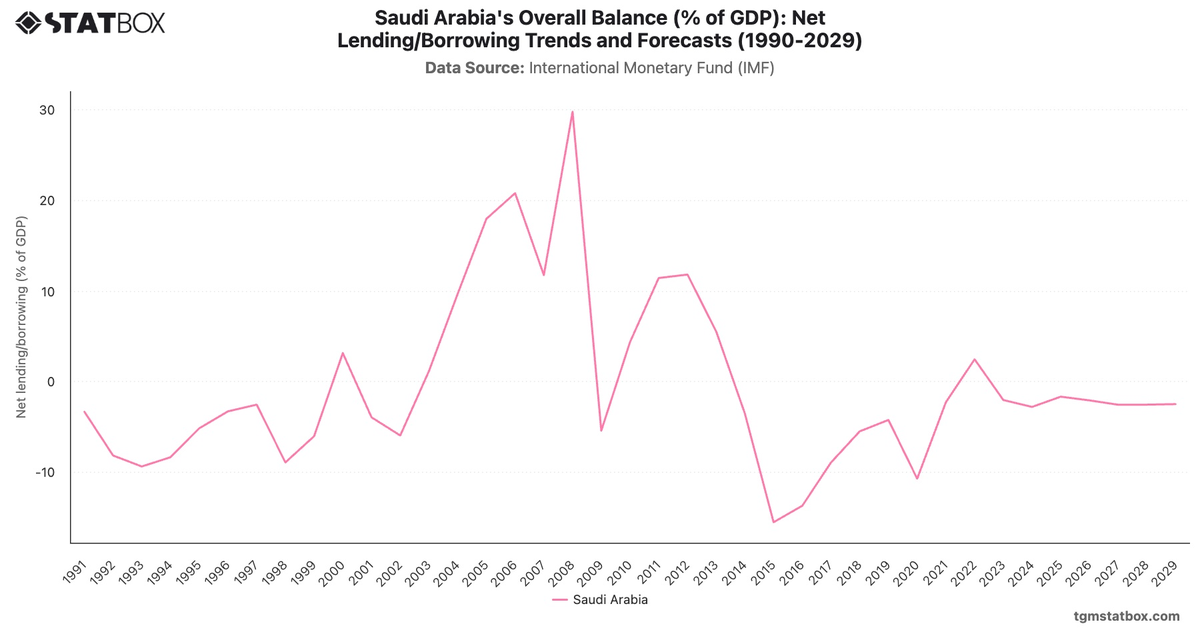
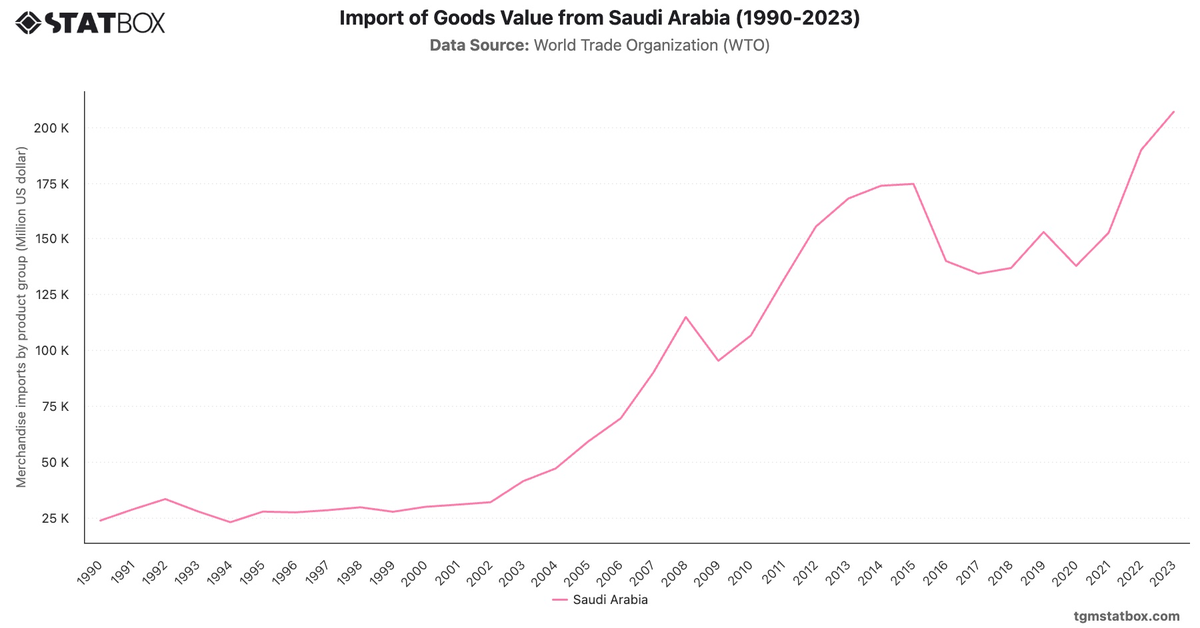
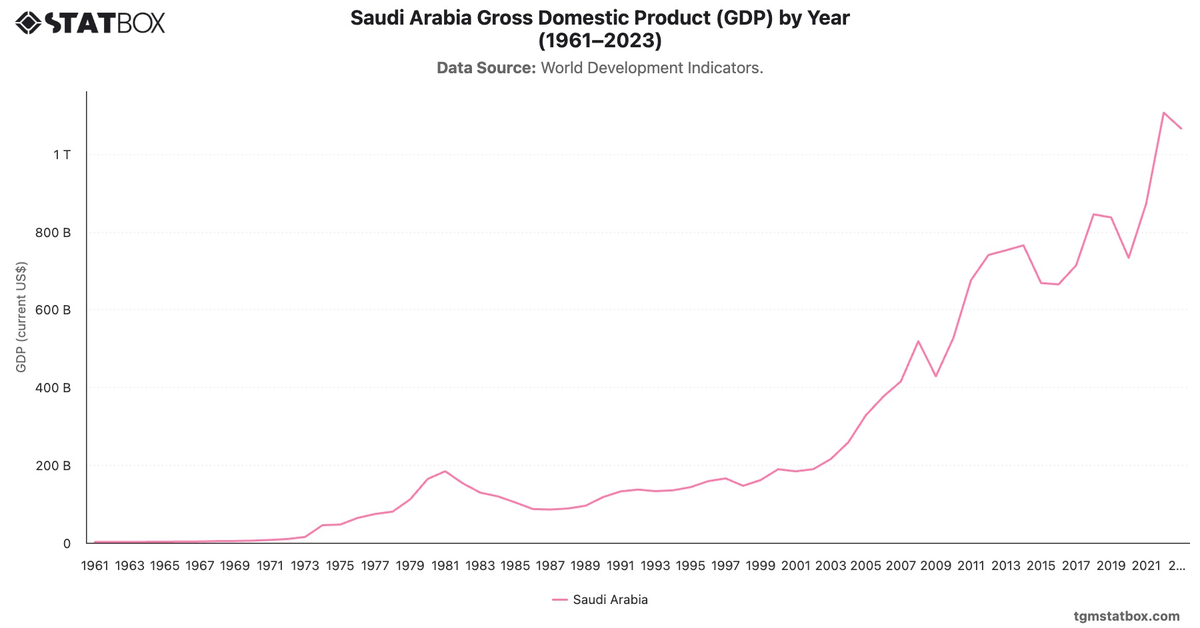
Discover additional trends and data on Saudi Arabia’s annual GDP figures, Saudi Arabia’s net lending/borrowing ratio as a percentage of GDP, Saudi Arabia’s goods trade balance.