Cameroon’s fiscal performance has been shaped by oil revenues and public investment cycles. The early 2000s saw surpluses, peaking at 28.2% of GDP in 2006, driven by high oil prices and debt relief initiatives. However, declining oil revenues and rising public expenditure led to persistent deficits from 2010 onwards, averaging -4% in the 2010s.
The COVID-19 pandemic had a modest impact on Cameroon’s fiscal balance, with deficits remaining steady at -3.2% in 2020. Projections for 2029 indicate a slight narrowing to -1.3%, reflecting gradual fiscal consolidation efforts and a focus on diversifying the economy beyond oil.
The COVID-19 pandemic had a modest impact on Cameroon’s fiscal balance, with deficits remaining steady at -3.2% in 2020. Projections for 2029 indicate a slight narrowing to -1.3%, reflecting gradual fiscal consolidation efforts and a focus on diversifying the economy beyond oil.
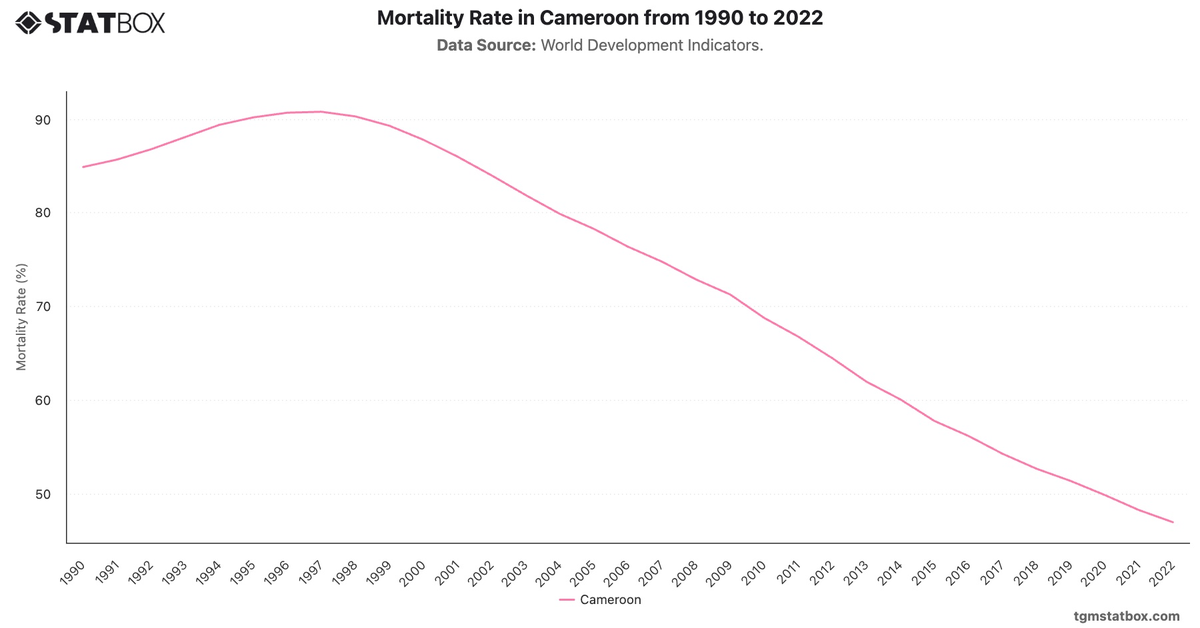
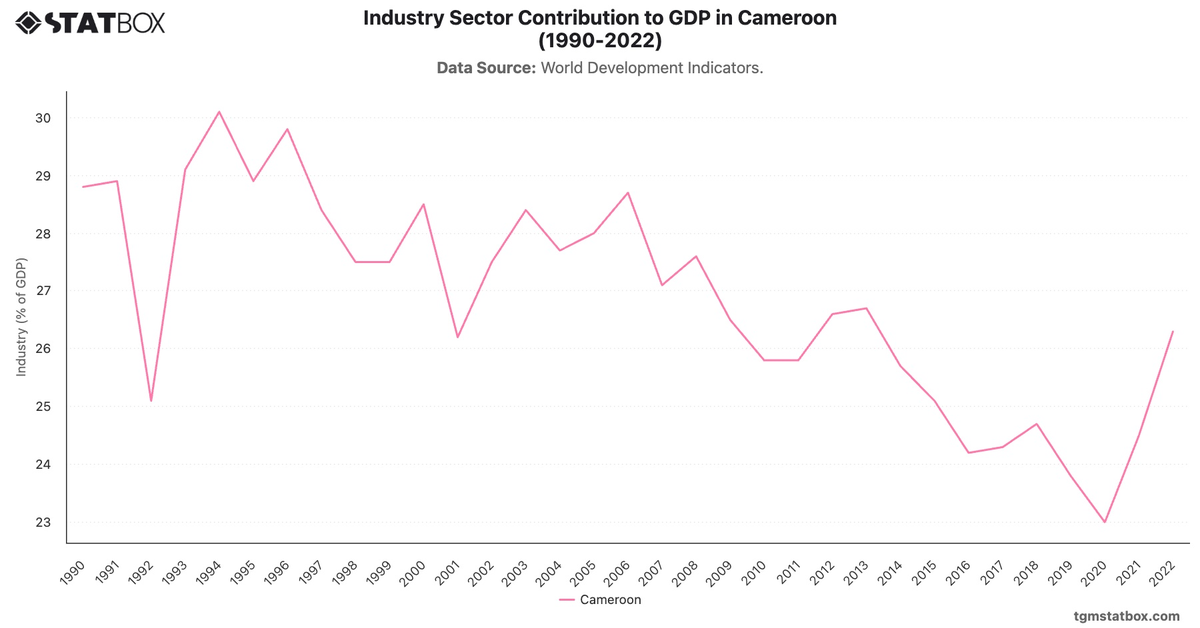
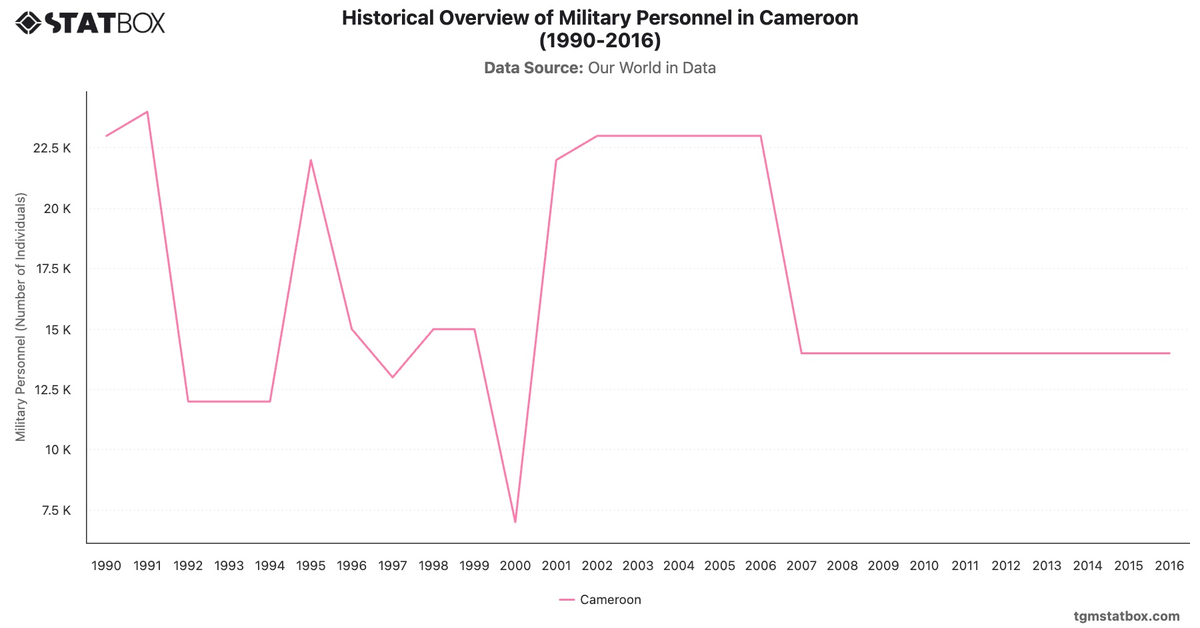
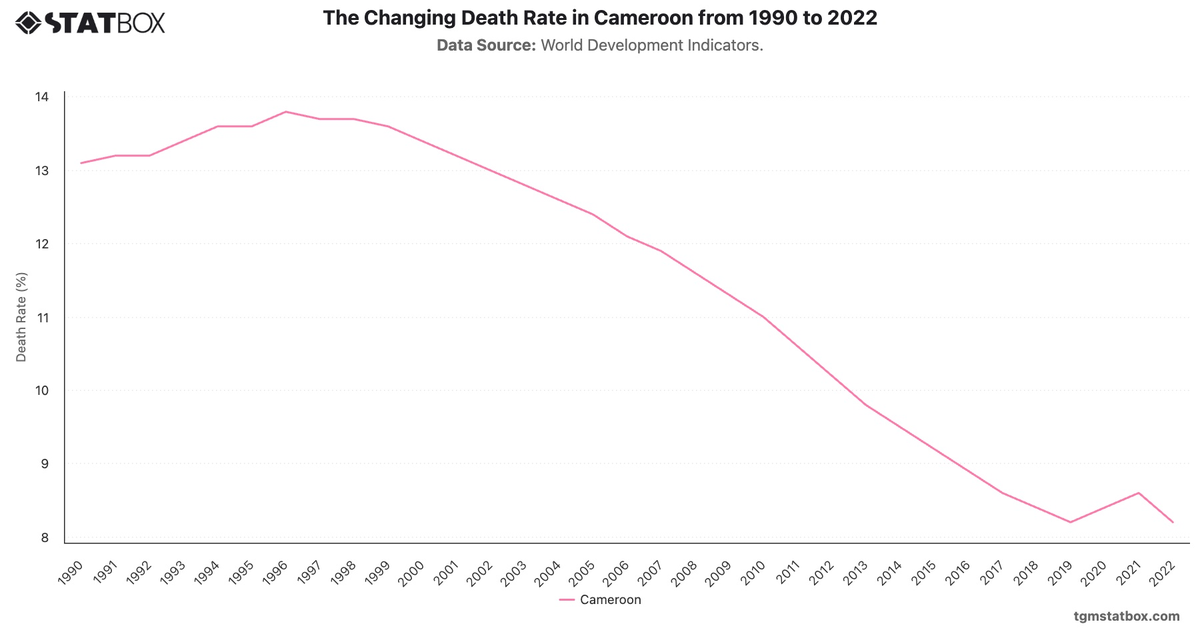
Gain a broader perspective by reviewing Cameroon’s defense spending, Cameroon’s mortality rate, Industry sector’s share in cameroon’s GDP.