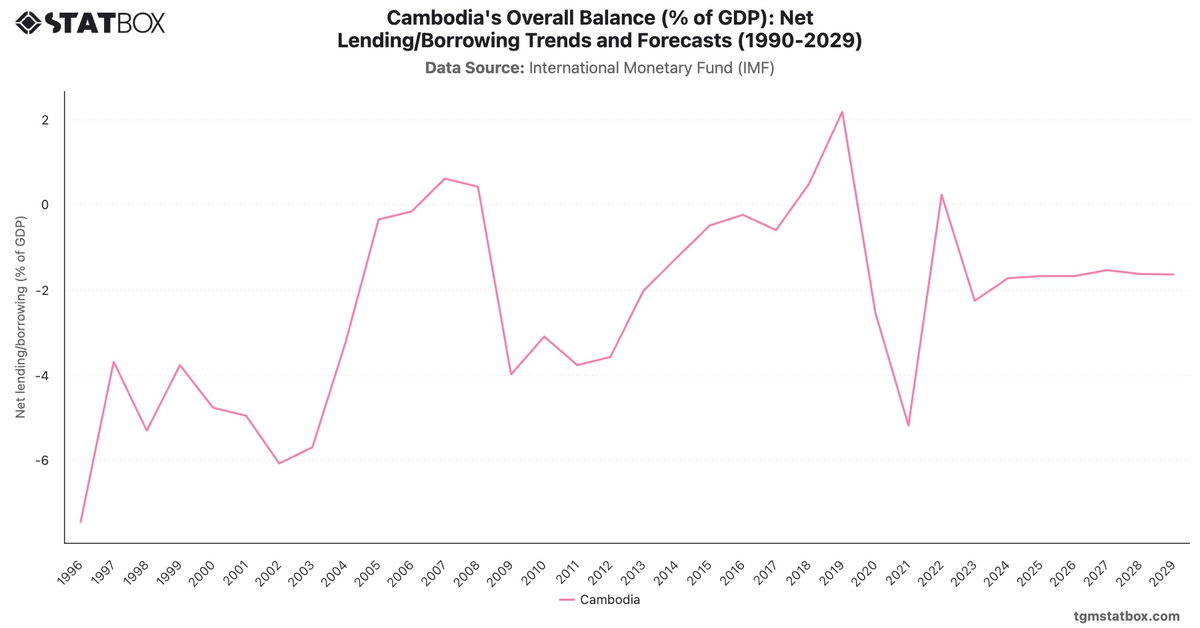
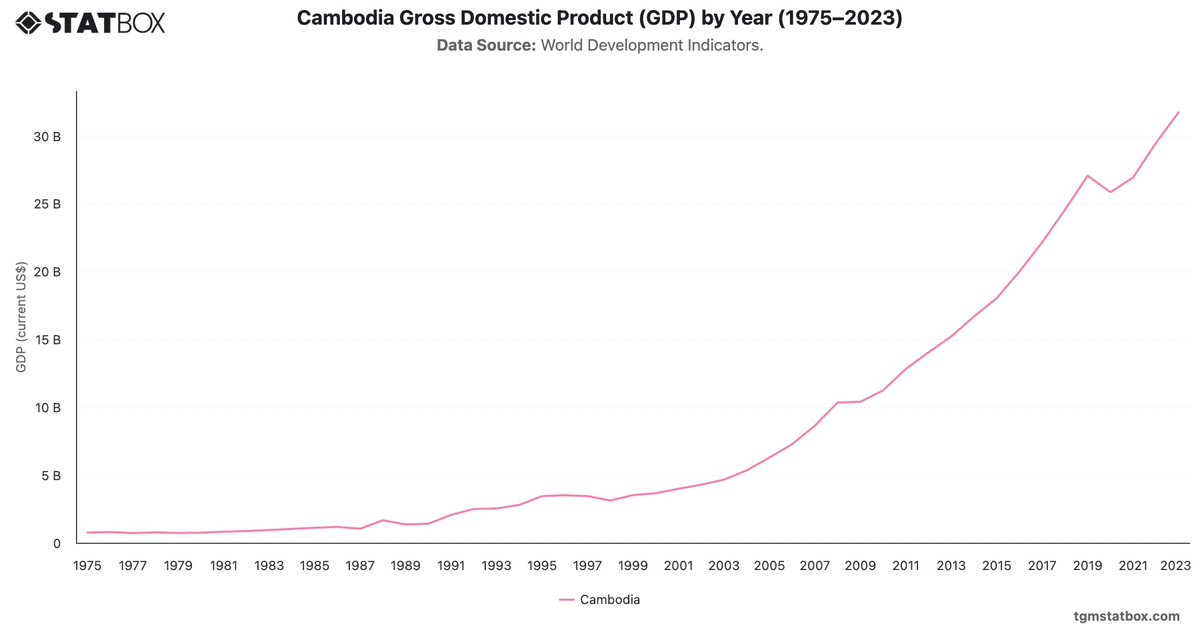
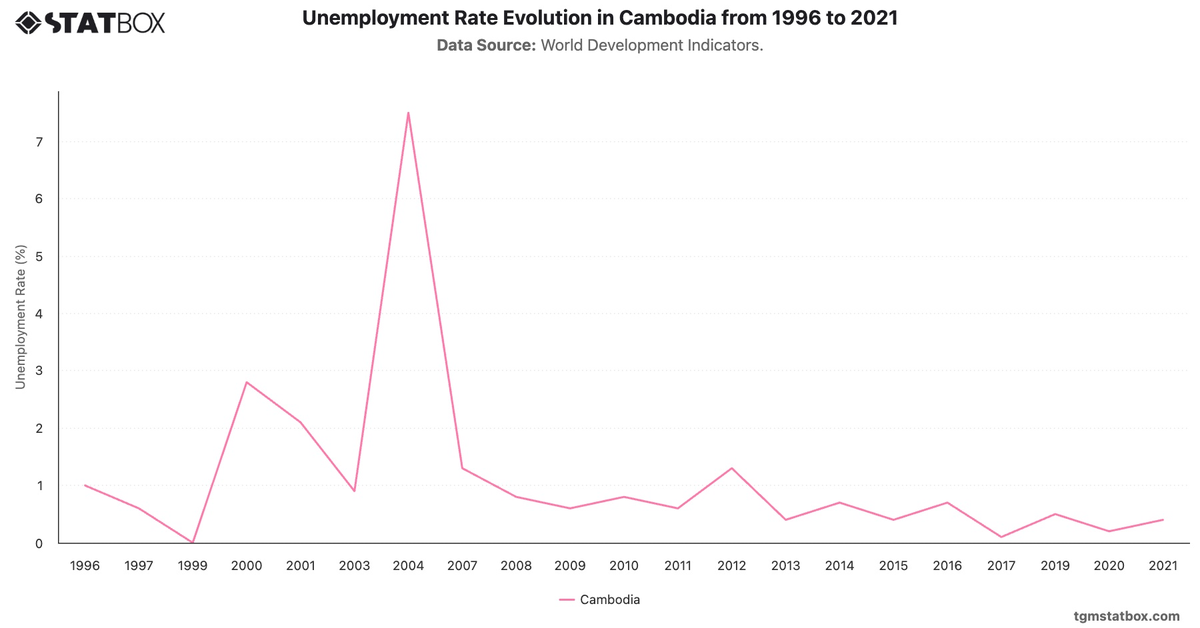
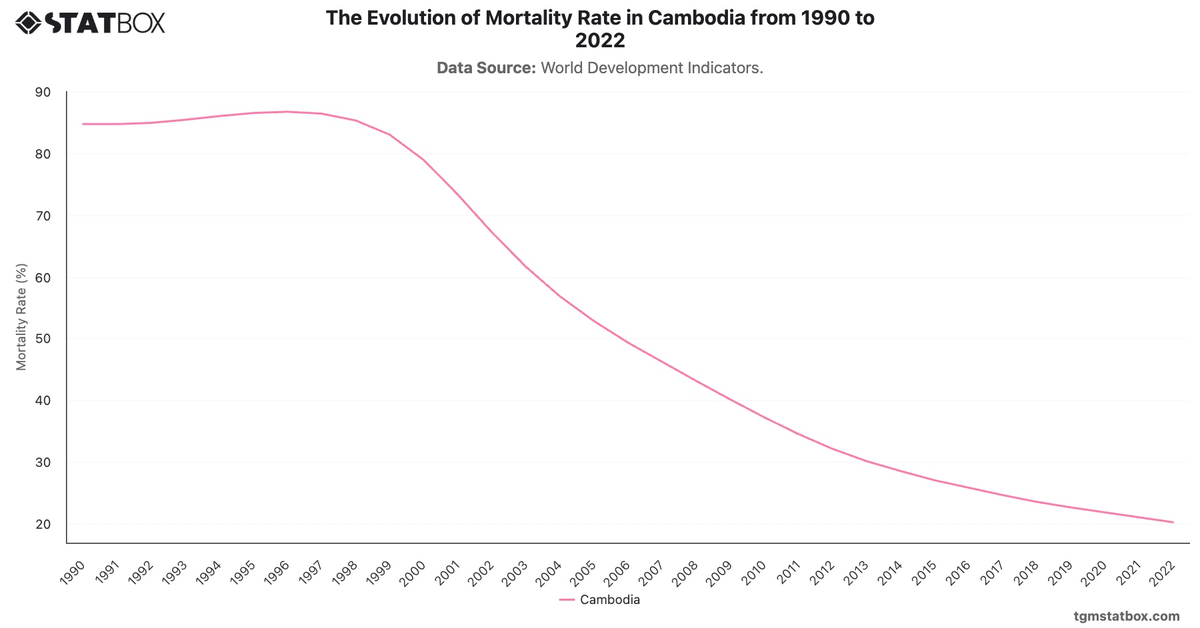
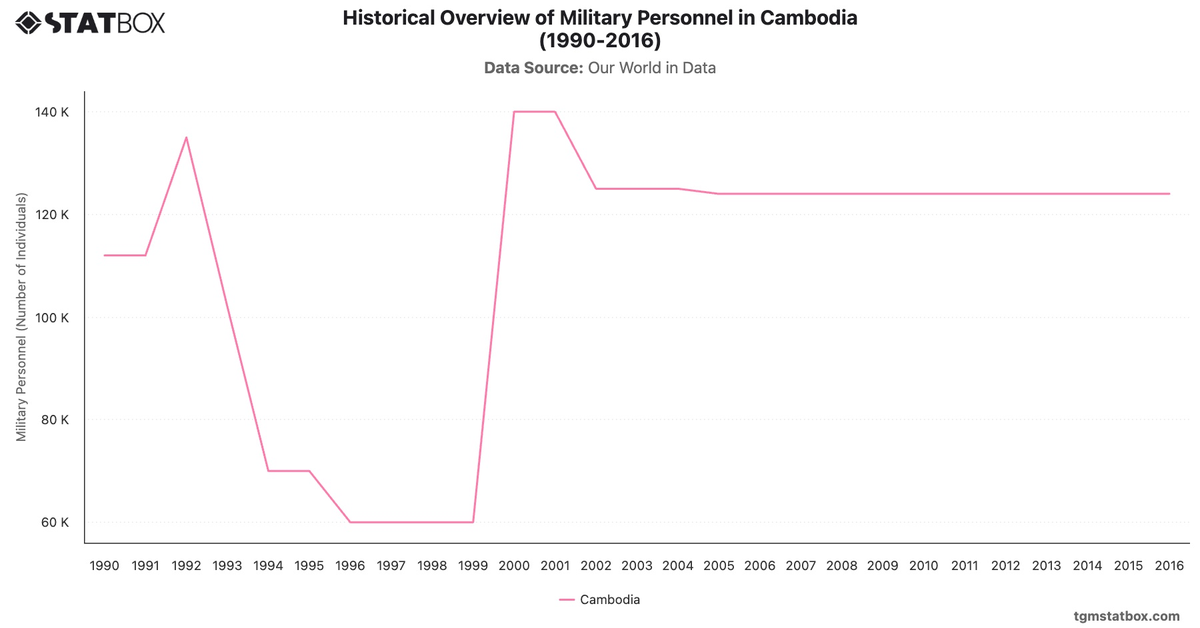
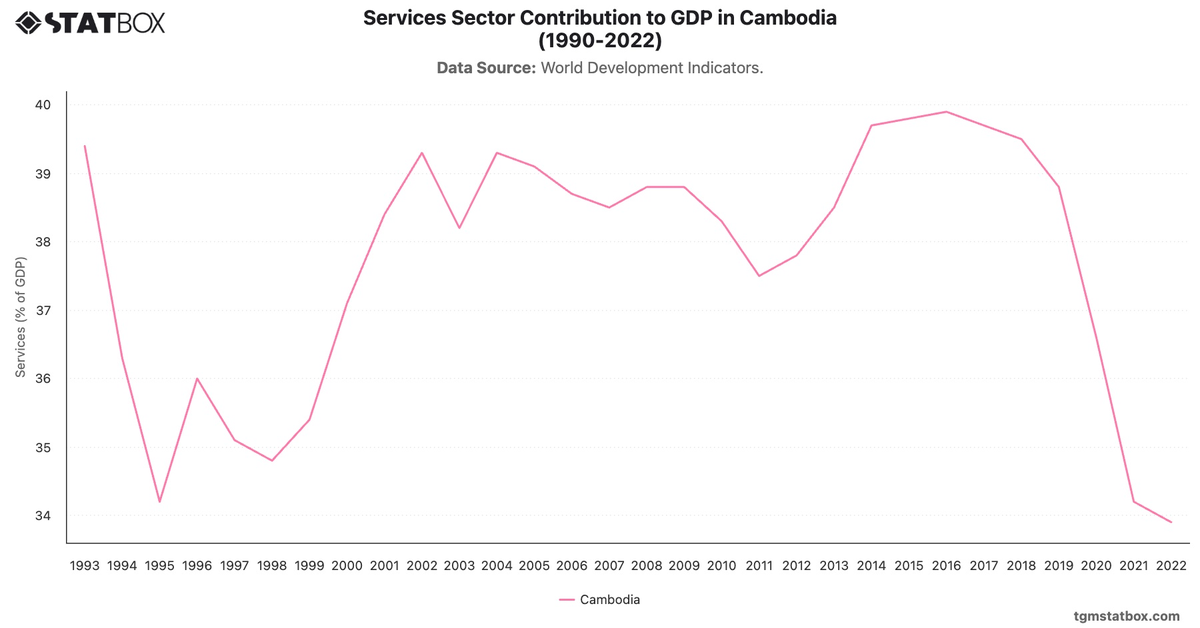
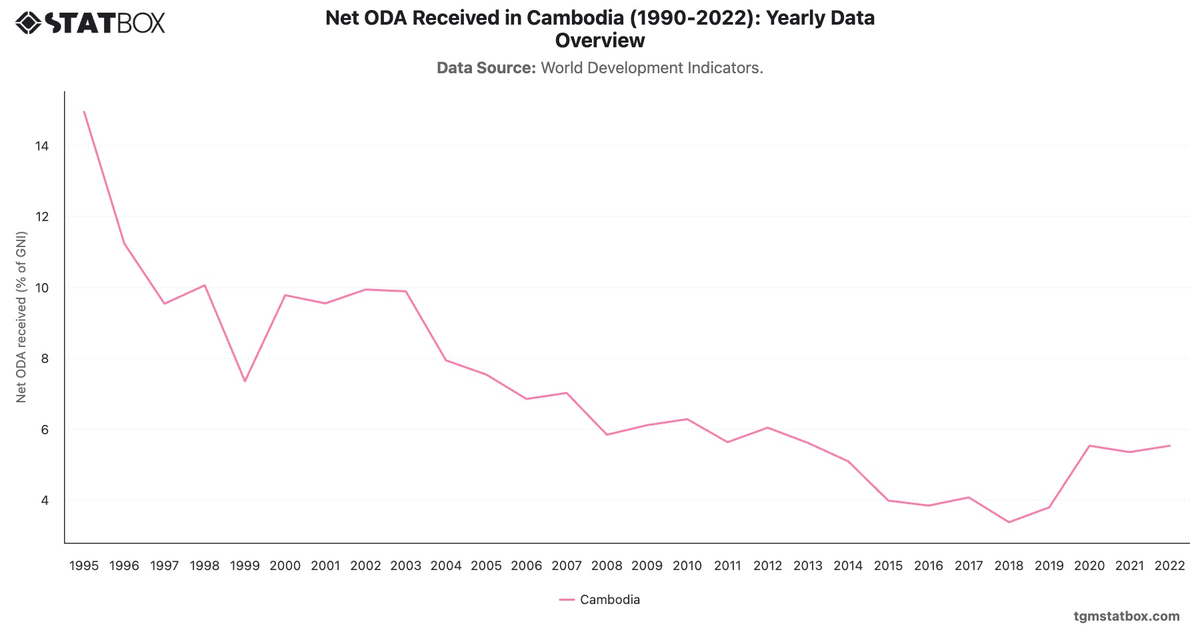
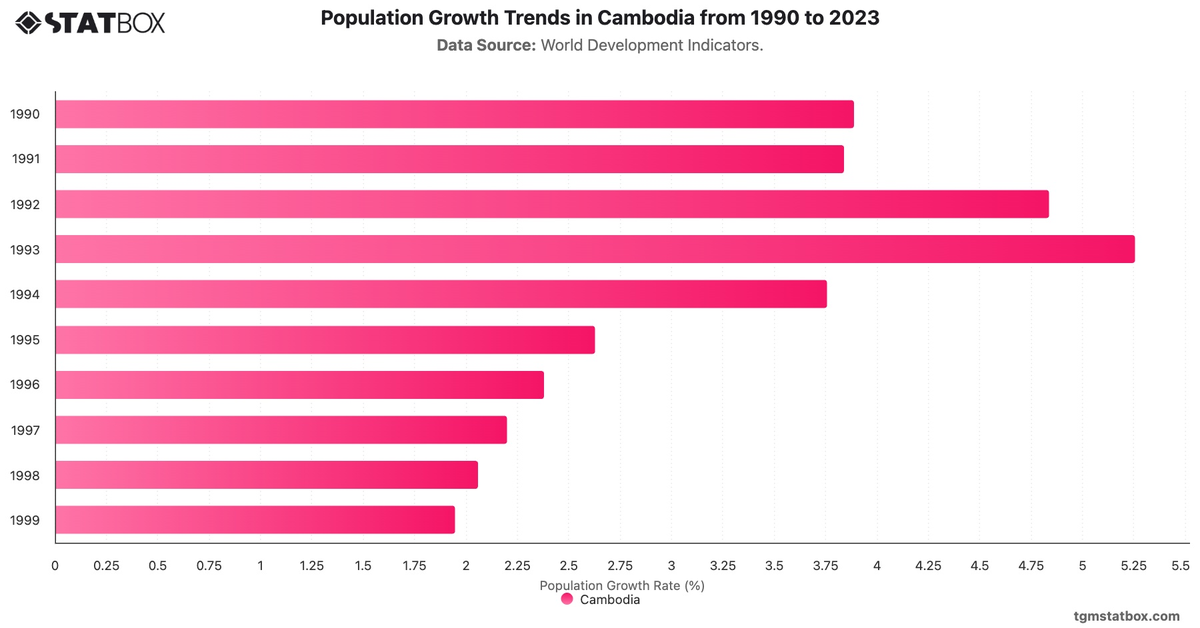
Cambodia’s debt-to-GDP ratio initially rose in the mid-1990s, reaching 43.1% in 2003, as the country recovered from years of civil conflict and invested heavily in infrastructure and economic rebuilding. The early 2000s saw a gradual reduction in debt, with levels declining to 27.0% by 2008, reflecting the country's strong economic growth and foreign aid inflows.
Post-2008, Cambodia’s debt levels remained relatively stable, hovering around 30%, with slight increases in response to development needs. However, the COVID-19 pandemic led to a rise in debt to 35.9% by 2021, as government spending increased to mitigate the pandemic's impact. Debt continued to grow modestly, reaching 36.5% in 2022.
Post-2008, Cambodia’s debt levels remained relatively stable, hovering around 30%, with slight increases in response to development needs. However, the COVID-19 pandemic led to a rise in debt to 35.9% by 2021, as government spending increased to mitigate the pandemic's impact. Debt continued to grow modestly, reaching 36.5% in 2022.
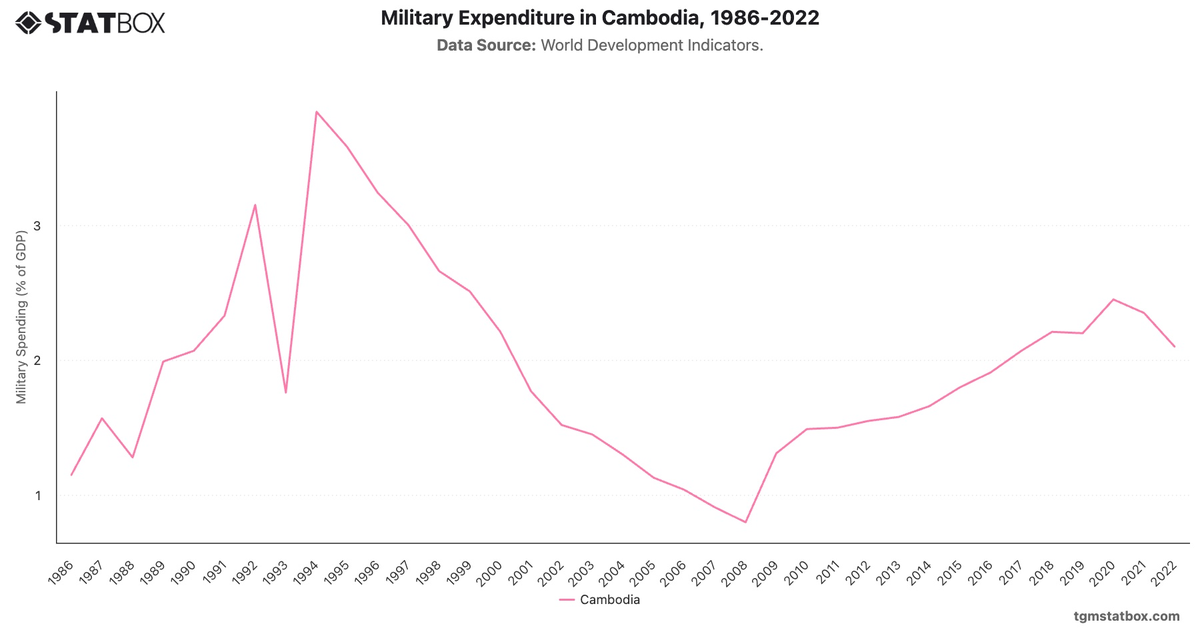
Discover additional trends and data on Cambodia’s military spending, Cambodia’s manufacturing sector GDP share, Cambodia’s annual GDP figures.