Are young travellers choosing the region mainly because it is affordable? Or does Southeast Asia offer something more powerful through timely cultural moments, natural variety, easier regional access and greater freedom to shape each trip?
Each explanation leads to a different business decision.
So, how can one small and specific consumer insight generate much larger commercial ideas? By examining what sits behind this destination preference, you can turn a single ranking into direction for market prioritisation, campaign timing, offer design and future demand planning.
TGM Research surveyed more than 7,000 respondents across major APAC markets, including China, Thailand, Singapore and more. Among Gen Z respondents, Southeast Asia ranked first for intended air travel during summer 2025.
The immediate explanation appears simple: Southeast Asia keeps international travel within reach.
A shorter regional flight usually requires less time and financial commitment than a journey to Europe or North America. Dense aviation networks also give young travelers greater freedom to compare departure dates, carriers and destination combinations.
ASEAN’s tourism marketing strategy reports that the region offered more than 700 million air seats in 2019, with low-cost carriers operating 34% of that capacity. Major gateways such as Bangkok, Singapore, Kuala Lumpur and Jakarta also support travel into surrounding destinations.
Price therefore makes the first booking easier to justify. Accessibility makes the entire trip easier to shape.
Gen Z travelers gain room to decide where the budget creates the greatest personal value. One traveler saves on the flight and spends more on accommodation. Another prioritizes food experiences or adds a second city. Southeast Asia supports these trade-offs within one connected region.
So, does price tell the whole story? Only partly.
That is where the insight becomes more useful. It does not mean you need to lower every package price or rush into discounting. The real opportunity lies in understanding where young travelers want to save and where they are willing to spend more. From there, you can shape better upgrades, encourage longer stays and create additional experiences they genuinely want to add.
Affordability puts Southeast Asia within easier reach. The right cultural moment makes the trip feel worth paying more for.
Some Gen Z travelers are prepared to cross borders, book during expensive periods and extend their stay to see an artist they care about. Taylor Swift’s six Singapore concerts showed how far that willingness to spend can travel. Around 70% of the 300,000 concertgoers were expected to arrive from overseas. During the concert period, flight costs into Singapore nearly tripled, accommodation bookings rose almost fivefold and bookings for attractions and tours increased by more than 2,300% (Reuters, 2024).
The lesson goes beyond one superstar. Major tour schedules increasingly place Southeast Asia inside the main regional circuit. BLACKPINK’s 2025 Deadline tour included Bangkok, Jakarta, Bulacan and Singapore (Korea JoongAng Daily, Blackpink adds 13 shows in Asia for upcoming 'Deadline' world tour, 2025). BTS’s 2026–2027 Arirang tour is scheduled to visit Thailand, Malaysia, Singapore, Indonesia and the Philippines. The pattern suggests that concert-led travel opportunities across the region will appear more frequently, rather than depending on a rare one-off event.
That changes how you read the TGM Statbox finding. Knowing that Southeast Asia already leads APAC Gen Z travel intent tells you where young regional demand is naturally concentrated. Event calendars then reveal the moments when that general interest turns into urgent travel planning.
Instead of lowering prices across every package, you can watch major tour announcements, identify the source markets most likely to travel, connect accommodation with transport and give visitors reasons to stay beyond the event. Airlines gain a clearer window for route promotion. Hotels gain an opportunity to extend stays before or after the concert. Attractions and destination organizations gain access to travelers who have already accepted the main cost of the trip.
The stronger business question is therefore not simply, “How low does the price need to be?”
It is: Which moment makes APAC Gen Z decide that the trip is worth paying for?
Consumer insights help you answer that question with greater precision. They show which fan communities travel across borders, how far they are prepared to go and where they spend beyond the ticket. One small regional preference then becomes direction for campaign timing, partnerships, capacity planning and experience design.
Southeast Asia also gives travelers several trip formats within a relatively compact area.
A city-based visit can extend into an island stay. A concert trip can include a nature experience or a nearby cultural destination. The value comes from the ability to create a journey around several interests without crossing another continent.
ASEAN’s current tourism strategy treats connected destinations, natural beauty and cultural diversity as central parts of the regional proposition. Its 2026–2030 plans also include stronger tourism corridors linking nature-based sites through regional transport networks.
Climate also influences how travelers use the region. Southeast Asia provides warm-weather options throughout the year, while dry and wet seasons differ between countries. Young travelers can move between destinations based on weather, events and fare availability instead of treating the region as one uniform seasonal market.
That flexibility creates space for more targeted product design. A generic message about beaches reaches a broad audience. Insights into climate preferences, activity interests and desired trip length help you promote the right destination during the right travel window.
The wider APAC travel outlook supports continued regional demand.
PATA reports that 68.3% of inbound travel across Asia Pacific in 2025 originated from within the region. Spending by APAC travelers inside APAC is forecast to approach USD 500 billion by 2030.
Southeast Asia enters this growth period with established low-cost connectivity and a wide range of destination formats. ASEAN’s plans through 2030 also place greater emphasis on easier movement, multi-country experiences and digital tourism promotion.
The next stage of growth will extend beyond attracting more arrivals. Competition will centre on which destination captures a larger share of each journey.
Cities that secure major events gain an immediate travel trigger. Neighboring destinations benefit when routes and products make a side trip easy. Hotels, airlines and travel platforms gain more value when they connect the original reason for travel with the next relevant experience.
Our finding reveals more than Gen Z’s favourite region.
Southeast Asia leads because it combines practical access with a high concentration of experiences. Cost opens the journey. Events create urgency. Natural and cultural variety increase the value travelers build around it.
Each driver points to a different business decision.
A price-led traveler responds to fare visibility and flexible booking. An event-led traveler needs timed packages and extended-stay ideas. A traveler motivated by nature needs stronger route guidance and seasonal information. Treating all three as “young people interested in Southeast Asia” hides the commercial differences between them.
Consumer insights expose those differences. A regional ranking tells you where demand is moving. Deeper research tells you why it is moving and how your business can capture it.
That is the value of micro insight. One survey result becomes a starting point for route planning, destination positioning, campaign timing, and product development.
Southeast Asia is already within reach for APAC Gen Z. The next opportunity lies in understanding what gives them the final reason to book.
Schedule: 07th February – 15th February 2025
Sample: A representative sample of N = 7000 participants in APAC across Australia, China, India, Indonesia, Japan, Singapore, Thailand, age: 18–55+
Methodology: Internet interviews (CAWI), research project was entirely conducted by TGM Research
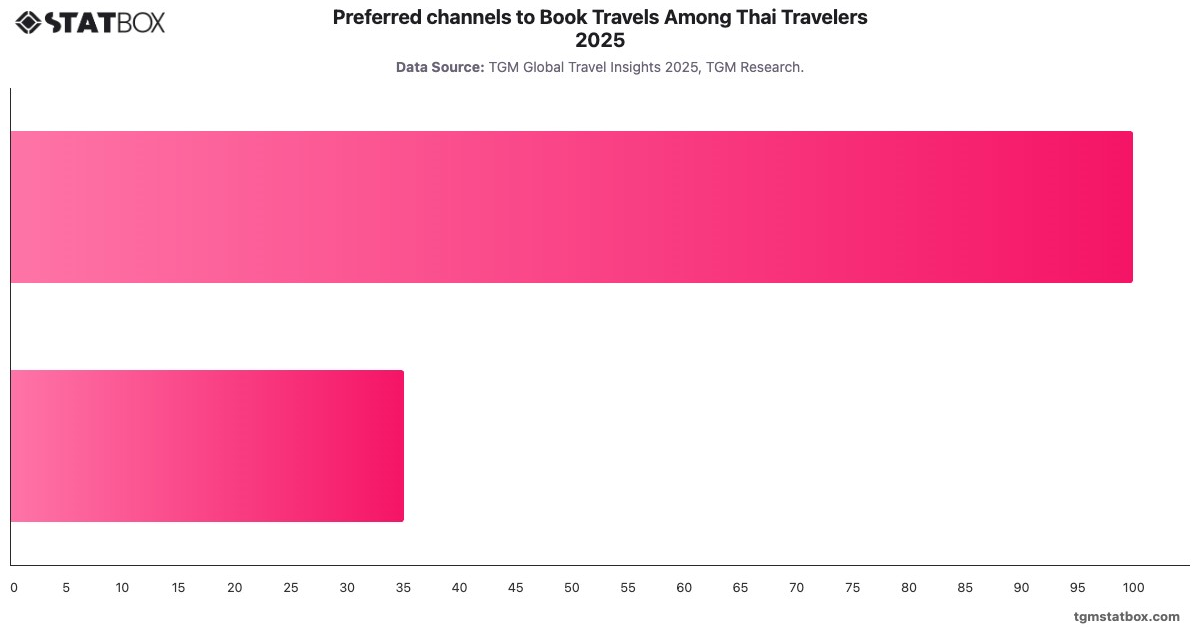
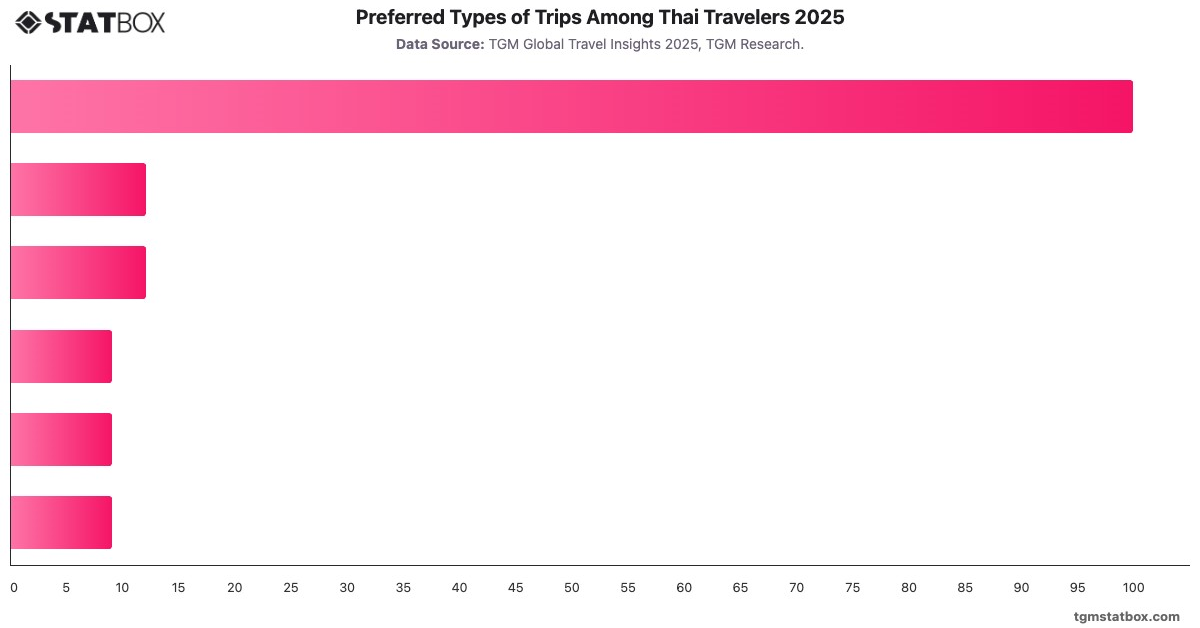
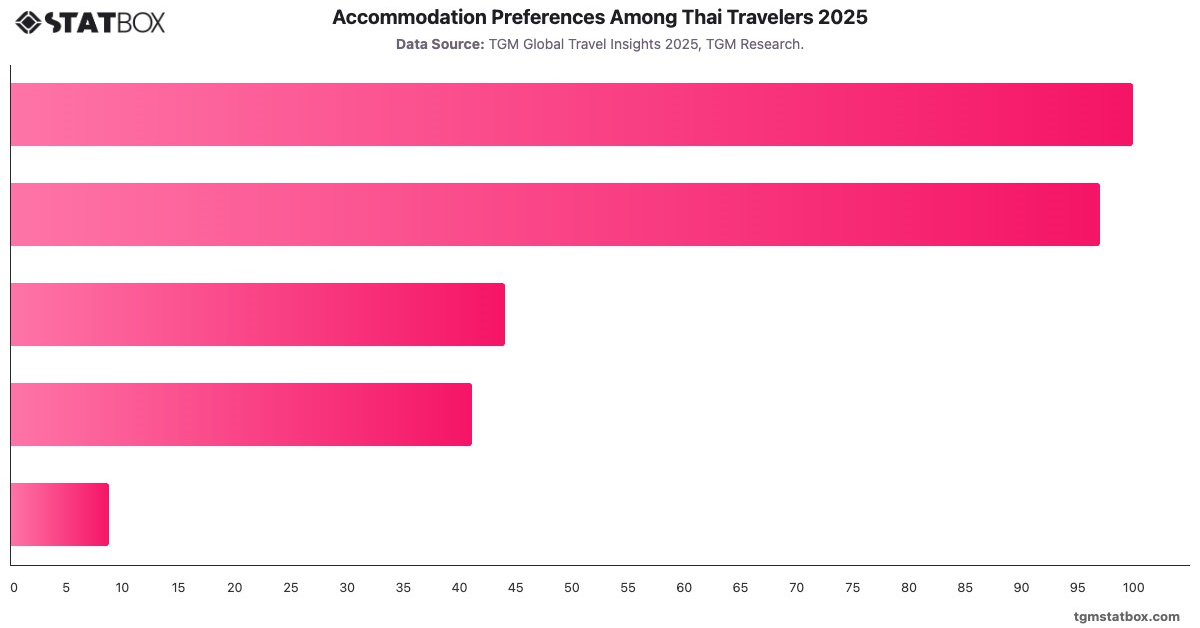
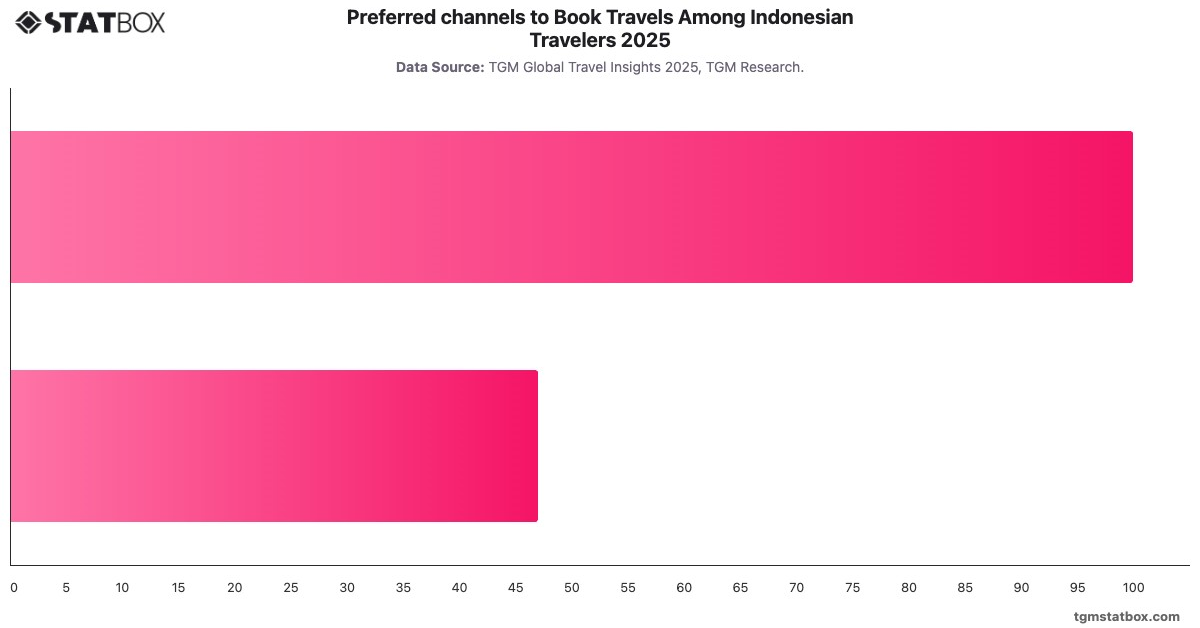
At TGM StatBox, we track how travelers across APAC plan, book, and spend. Dive into these charts on destinations, accommodation, and booking behavior to uncover the insights you need.
TGM StatBox's travel behavior data and infographics across APAC markets.

Connect with our expert team for immediate assistance or comprehensive market analysis. We are always ready to support your business needs.